Last updated November 23, 2026
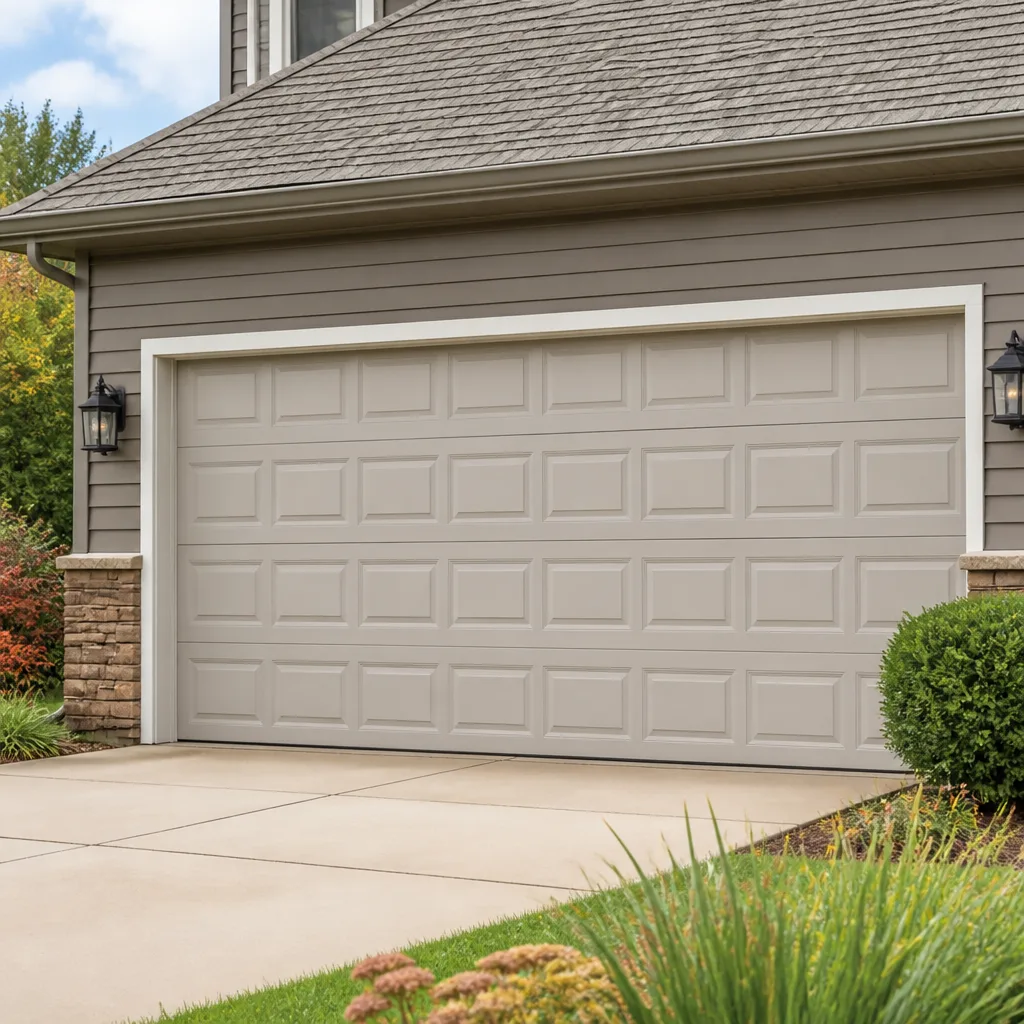 Raised-panel steel
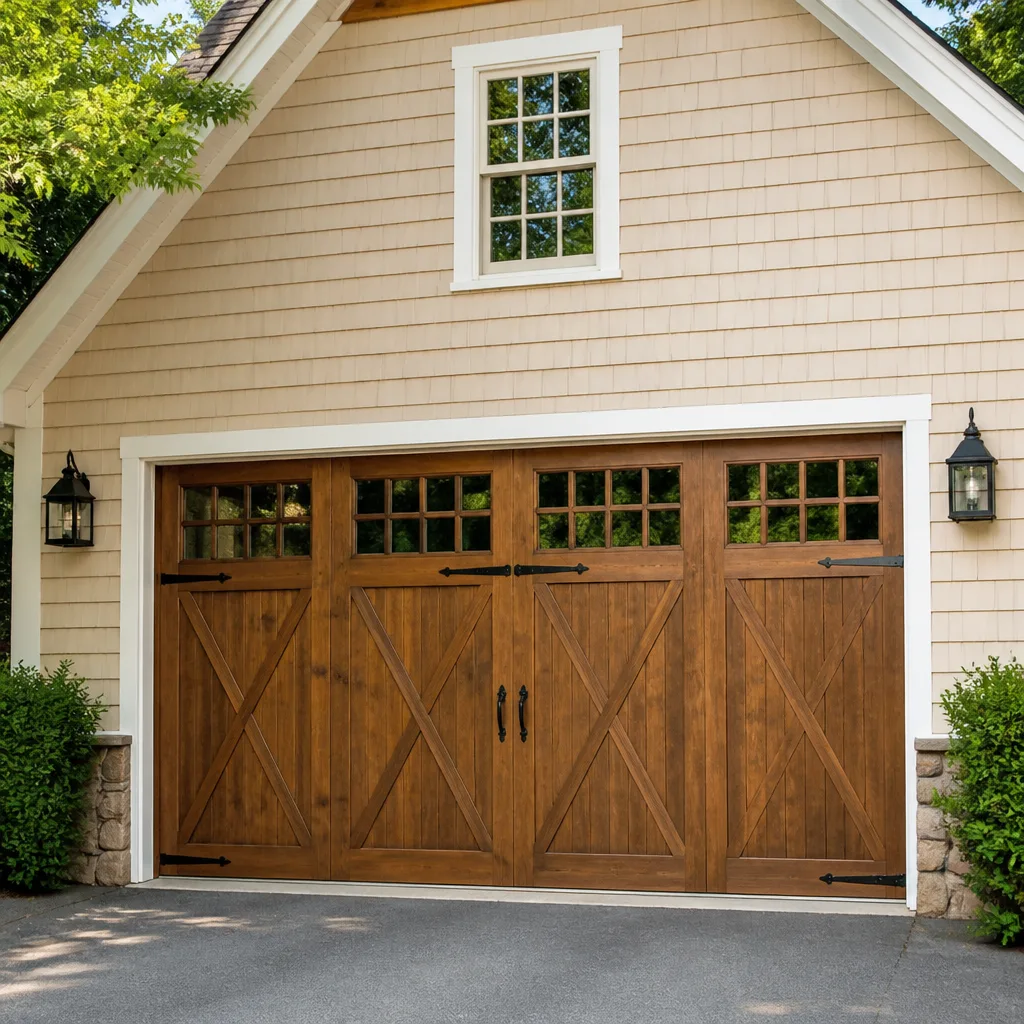 Carriage house
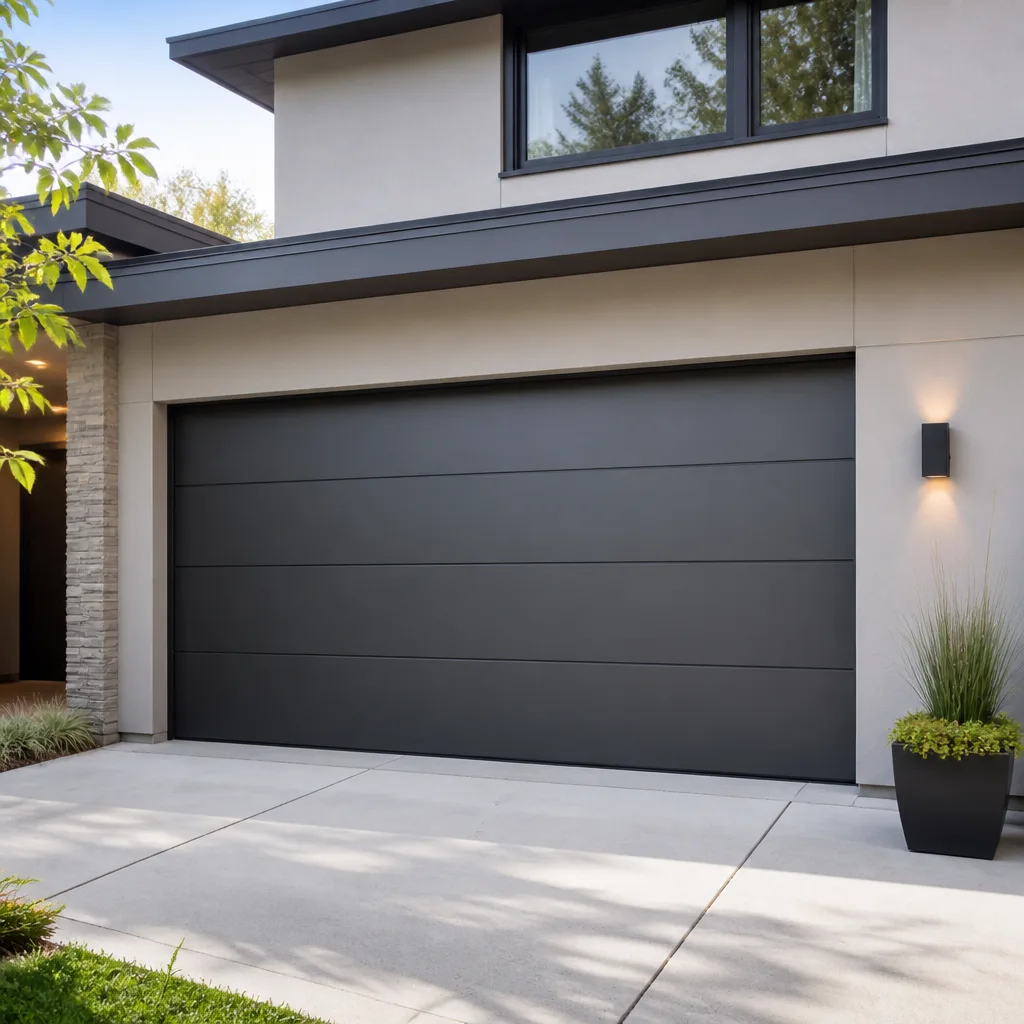 Modern flush
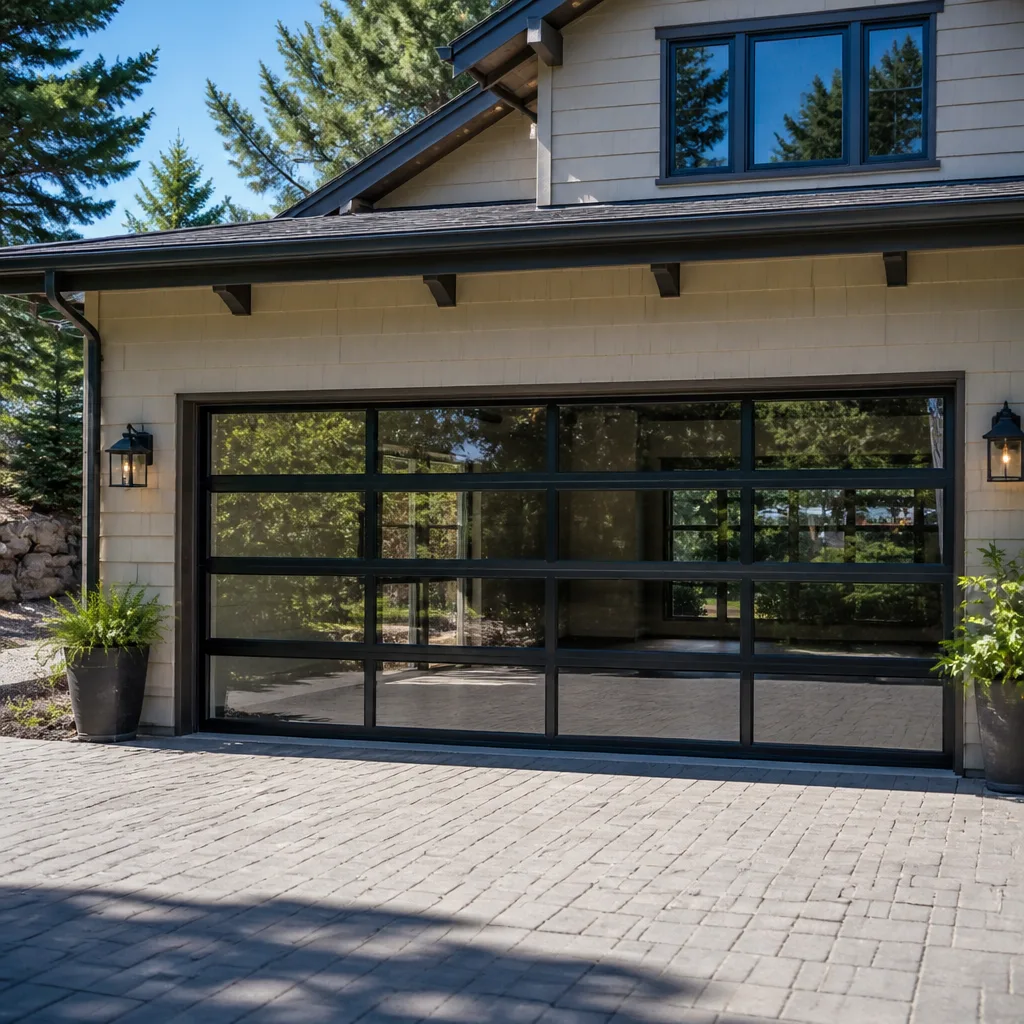 Full-view glass
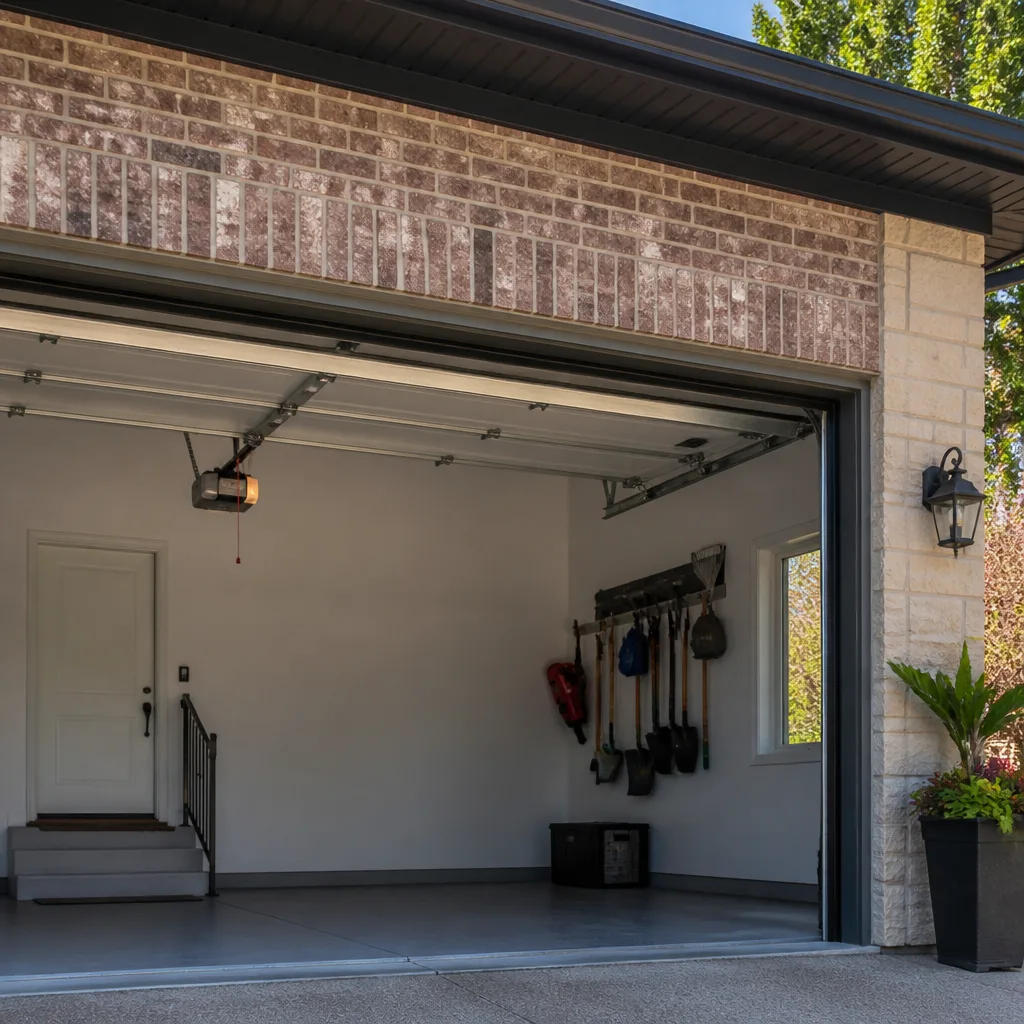 LiftMaster openers
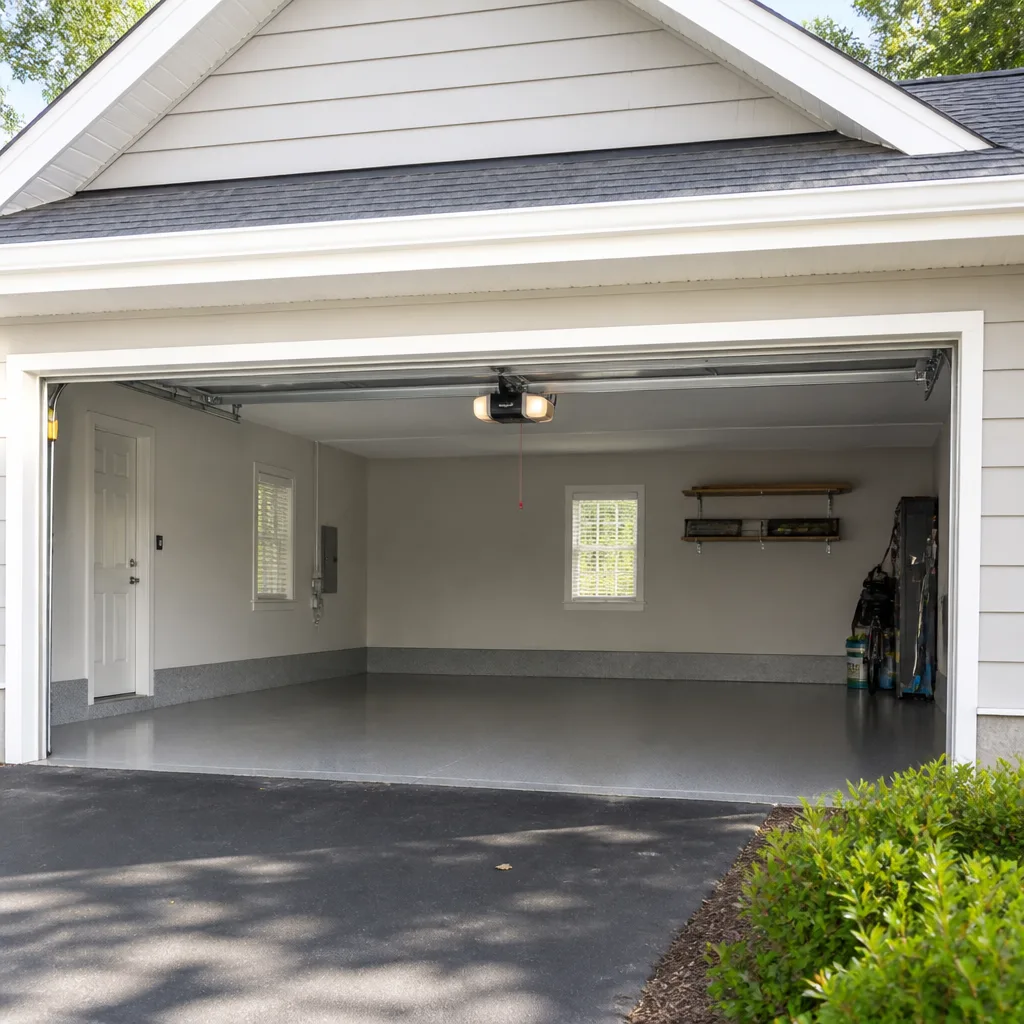 Chamberlain openers
Full 25-point door and opener safety check with every visit - springs, cables, rollers, tracks, and your LiftMaster or Chamberlain opener included
You get a price before we start. It does not change when the pro arrives.
Get your free estimateChoosing the Right Garage Door Brand: A Buyer’s Guide for Providence
Clopay and Wayne Dalton both make a solid door. But the right choice for a detached garage on the East Side facing north into the wind is not the same as the right choice for a newer build in Elmhurst with a standard two-car opening. That’s the part most brand guides skip. They rank names in a vacuum and never ask how the door meets your actual garage. In Providence, the variables are real: freeze-thaw cycles, nor’easters, unheated detached garages behind older triple-deckers, and tight driveways that punish a poorly installed track. This guide maps the tiers honestly, explains which brands have local Rhode Island support, shows how insulation should match your situation, and explains why installation quality outranks the logo on the door.
Quick Answer
There is no single best garage door brand, and any guide that names one is selling something. For most Providence homes, the right brand is whichever one fits three things: your garage’s exposure and whether it’s attached or detached, your budget across the budget, mid-range, and premium tiers, and how long you plan to stay. Clopay and Amarr cover most Providence installations well, Genie and Chamberlain handle the opener side, and the install quality matters more than the brand name every time.
Styles & brands we work with
- Raised-panel steel
- Carriage house
- Modern flush
- Full-view glass
- LiftMaster openers
- Chamberlain openers
Table of Contents
- The Three Tiers: What You Actually Get at Each Level
- Which Brands Have Local Rhode Island Distributor Support?
- Matching Insulation to Your Specific Garage
- The Brand Warranty Traps Buried in the Fine Print
- Why Installation Quality Beats the Brand Decision
- How Providence Climate and Housing Shape the Choice
- Pairing a Door With the Right Opener Brand
- A Step-by-Step Decision Process
The Three Tiers: What You Actually Get at Each Level
Garage doors sort into three broad tiers, and the differences are concrete rather than marketing fluff. The tier you buy determines gauge of steel, insulation construction, hardware quality, and how long the door will hold its shape through Providence’s freeze-thaw cycles.
Budget tier. Single-layer steel doors, thinner gauge, no insulation or a thin polystyrene backer. Brands like Wayne Dalton and the entry lines from Clopay live here. You get a door that opens and closes and looks fine from the street. The tradeoff is noise, heat loss, and a panel that can dent more readily when a bike wheel or a snow shovel clips it. For an unheated detached garage on the East Side where you store tools and lawn equipment, a budget door is often the honest answer.
Mid-range tier. Two-layer construction or steel-backed polyurethane, better rollers and hinges, stiffer struts. This is where most Providence homeowners land. The door is quiet, holds its finish longer, and handles temperature swings without the panel flex you get at the bottom tier. Amarr and Clopay both have strong mid-range options.
Premium tier. Three-layer sandwich construction, full polyurethane core, heavier hardware, and often a carriage-house or custom look. Wood-look steel and full-view aluminum doors sit here too. Good for attached garages under living space, or for a front-facing two-car door that shapes curb appeal on the East Side.
- Budget: single-layer steel, minimal insulation, shortest hardware life. Fine for detached storage.
- Mid-range: two-layer or steel-backed core, quieter operation, most popular for attached garages.
- Premium: three-layer core, heavier hardware, custom look. Best for attached garages and curb-appeal-focused homes.
Which Brands Have Local Rhode Island Distributor Support?
Parts availability is the quiet variable that separates a two-day repair from a two-week one. A brand with regional distribution in Rhode Island keeps common panels, springs, and opener logic boards within reach. A brand routed through a single national warehouse means longer lead times when something breaks in February.
In our experience working across eight major brands, the practical split looks like this:
- Widely supported in Rhode Island: Clopay, Amarr, and Wayne Dalton doors; LiftMaster, Chamberlain, Genie, and Craftsman openers. Common parts are usually close enough that most repair jobs don’t stall on the part.
- Supported but sometimes slower: specialty premium lines, custom carriage-house doors, and full-view aluminum. These are usually made to order, so lead time is part of the process rather than a surprise.
- Varies by model: Raynor runs the middle. Standard residential parts are fine; specialty commercial-grade hardware may take an order.
What this means for a Providence homeowner is simple. If you want a fast repair when a spring snaps in mid-January, buy a brand with broad local support. If you’re building a showpiece door for a home in Elmhurst, the lead time is worth the wait and you should plan the install around it rather than fighting the calendar.
When a repair is what you need rather than a replacement, our garage door repair service handles whatever brand is already bolted to your wall. We don’t steer you toward a brand that’s easier for us to source.
Matching Insulation to Your Specific Garage
Insulation gets marketed as a quality badge, but it’s really a match-to-situation decision. The same R-value that makes sense in one Providence garage is overkill in another and pointless in a third.
Three factors drive the call:
- Attached or detached. An attached garage shares a wall with living space. If your garage sits under bedrooms or shares a warm wall, insulation keeps cold air from seeping into the house and reduces the load on your heating system through a Providence winter. A detached garage behind the house doesn’t share that wall, so insulation mostly buys you comfort, quiet, and less condensation on stored items.
- Heated or unheated. If you heat the garage, insulation is working for you. If you don’t, it’s still useful for stability and noise, but the energy math changes. A heated workshop in a Providence garage justifies a full polyurethane core. An unheated storage bay mostly justifies whatever keeps the door from sweating in a thaw.
- Waterfront or inland. Providence garages near the rivers and waterfront see more moisture in the air through the warmer months. That’s a reason to favor a door with a sealed, non-absorbent core over an open-frame or wood door that can swell and warp. Inland garages on the East Side and Elmhurst see more freeze-thaw, which is a case for a door that resists panel flex.
We won’t quote an R-value here, because the number that fits depends on your wall assembly and heating setup, not a spec sheet. What matters is that the door is sealed properly, the weatherstripping is tight, and the door itself isn’t quietly undoing the insulation of the wall next to it through gaps at the sides and top.
The Brand Warranty Traps Buried in the Fine Print
Every major brand warranty has conditions, and some of them collide with how Providence garages actually get used. Read the fine print before you buy, not after a panel fails.
The traps we see most often:
- Installation voids coverage. Nearly every brand warranty hinges on the door being installed to the manufacturer’s spec by a qualified installer. A bolted-on track or a torsion spring wound wrong can void the panel warranty without anyone telling you.
- Modification clauses. Adding a strut, a bracket, or a second opener head can technically void parts of the warranty if the brand doesn’t approve the modification. Check before you add anything to an existing door.
- Finish and corrosion exclusions. Surface warranty terms often exclude damage from standing water, salt tracked in from the road, or improper drainage at the threshold. A Providence garage with a low threshold that pools after a heavy rain is a warranty risk on any brand.
- Wear-item exclusions. Springs, rollers, hinges, and cables are usually wear items and not covered even on premium doors. That’s the reason spring service is a separate line item, not a warranty claim.
- Transferability limits. Some warranties transfer to a new owner, some don’t, and some require registration. If you plan to sell the Providence house, ask how the transfer works.
None of this is a reason to skip a premium brand. It’s a reason to have a written install spec and to keep records. The written quote sets the price and the install standard before the first bolt goes in.
Why Installation Quality Beats the Brand Decision
Two identical Clopay doors installed by two different crews behave like two different products. The brand gets the credit when a door runs smooth for a decade, but the install is what actually earned it. A premium door on a sloppy track will bind, rattle, and chew through rollers. A mid-range door set level with proper tension will outlive it.
What a proper installation looks like, regardless of brand:
- Level, plumb, and square. The tracks are level, the door is centered, and the header is square to the opening. A door that’s off by a fraction of an inch will wear unevenly.
- Correct spring tension for the door’s weight. Torsion or extension springs are matched to the actual door weight, not eyeballed. Under-tensioned springs strain the opener; over-tensioned springs shorten the door’s life and are dangerous.
- Clean opener mounting. The opener rail runs straight, the head is centered, and the safety sensors are aligned at the correct height so the door doesn’t reverse on a shadow or a snow drift.
- Sealed edges and threshold. Weatherstripping at the sides and top, and a proper threshold seal to keep water and cold out. This matters more in Providence’s freeze-thaw than in drier climates.
- Balanced door. A properly installed door holds its position halfway up when you disconnect the opener. If it slides down on its own, the springs are wrong.
We bring the same install standard to every brand we work on. The garage door installation page lays out what a free measure and a written quote cover. We measure the opening, quote the door and labor, and schedule the install around the lead time for the specific brand you pick.
How Providence Climate and Housing Shape the Choice
Providence’s weather is a steady test bench for a garage door. Hot, humid summers followed by cold winters with repeated freeze-thaw cycles work every seal, hinge, and panel joint on the door. The city’s housing stock makes it worse in some neighborhoods.
On the East Side, plenty of garages are detached, often small, and sometimes face a narrow driveway with low overhead clearance. A north-facing detached garage sees the wind. A door with a solid core holds up better there than a single-layer door that can flex in a gust. In Elmhurst and the newer suburban builds, garages are typically larger attached two-car bays under living space, which pushes the decision toward insulation and quiet operation. Down near the waterfront, the moisture in the air favors a sealed, non-absorbent door over wood or an open-frame panel that can swell in a humid stretch.
Providence spring is when the doors that survived winter start to fail. A door that ran fine in October can snap a torsion spring in March because the metal stretched through a cold cycle. If your door fails, we’re a call away, and our garage door opener repair service handles the motor side when the door itself is fine but the opener isn’t.
The practical takeaway: pick a door matched to your actual exposure. A brand’s reputation fades against the reality of a wind-facing detached garage in Providence.
Pairing a Door With the Right Opener Brand
The door and the opener are two decisions, not one. The brand on the door tells you almost nothing about which opener should run it, and vice versa. This is where brand-agnostic expertise pays off, because nobody should be steering you toward their preferred opener regardless of what’s on your ceiling.
Genie and Chamberlain are the two most common residential opener brands in Providence garages, with LiftMaster and Craftsman close behind. The pairing choices that matter:
- Door weight and opener torque. A heavy premium three-layer door needs an opener rated for the weight. Dropping a budget belt-drive opener under a heavy door is a recipe for premature failure.
- Quiet operation for attached garages. Belt-drive openers run quieter than chain-drive. In an attached Providence garage where the door sits under a bedroom, that matters more than any brand badge.
- Safety sensors and opener age. A modern opener with working safety sensors is a safety requirement, not a convenience. If your existing opener is older and the sensors are finicky, the replacement decision happens alongside the door.
- Brand continuity isn’t required. You can put a Genie opener on a Clopay door. The brands are not locked to each other, despite what a single-brand seller might imply.
We diagnose what’s actually failing before recommending a new opener. Sometimes the door is fine and the opener needs a part. Sometimes the door is the problem and the opener is a victim.
A Step-by-Step Decision Process
Here’s how we walk a Providence homeowner through the brand decision, in order. Each step narrows the field until the brand is the last thing you decide, not the first.
- Measure the opening and note the garage type. Attached or detached, standard two-car or single, low-clearance or generous headroom. This eliminates doors that won’t fit or won’t clear the opening.
- Note the exposure. Which direction the door faces, whether it’s heated, whether it’s under living space, and whether the threshold pools after rain. North-facing detached garages and low thresholds push toward a sealed, solid-core door regardless of brand.
- Set the tier from your plans. If you’re staying in the Providence house for years, spend on the mid-range or premium tier. If you’re prepping to sell, a well-installed mid-range door in a supported brand is the safer move.
- Check local parts support. Ask which brands have Rhode Island distribution for the parts most likely to wear: springs, rollers, panels, opener boards. This is the difference between a quick repair and a long wait.
- Get a free measure and a written quote. The written quote sets the price and the install standard before any work starts. No surprises at the end.
- Confirm the install crew’s record with the brand. Ask whether the installer is certified to service your brand and whether the install will match the manufacturer’s spec so the warranty holds.
Our technicians have up to 10 years of experience and are certified to service the eight major brands, so step six usually comes down to scheduling and lead time rather than brand preference.
Common Mistakes to Avoid
- Buying the brand and forgetting the installer. The finest Clopay door on a mis-leveled track will bind and fail. Match the brand to your garage and then insist on a proper install spec.
- Over-insulating a detached storage garage. A three-layer polyurethane door is great for an attached Providence garage under a bedroom. It’s money lost on a detached East Side bay that holds a lawn mower.
- Under-insulating an attached garage under living space. The opposite mistake. Cold air leaking through an uninsulated door pushes the heating system year after year.
- Ignoring local parts support. A brand with a single national warehouse can stall a repair for weeks when a spring snaps in February. Check parts availability before you buy the brand, not after.
- Assuming the warranty covers wear items. Springs, rollers, and hinges are usually excluded even on premium doors. Plan for spring service as routine, not as a warranty claim.
- Letting a single-brand seller steer the choice. If the only brand they sell is the only brand they recommend, that’s a sales decision, not a fit decision. Ask why a specific door fits your garage.
- Skipping the free measure. A quote given over the phone before anyone measures the opening is a guess, and the final price is set by the written estimate. We measure first.
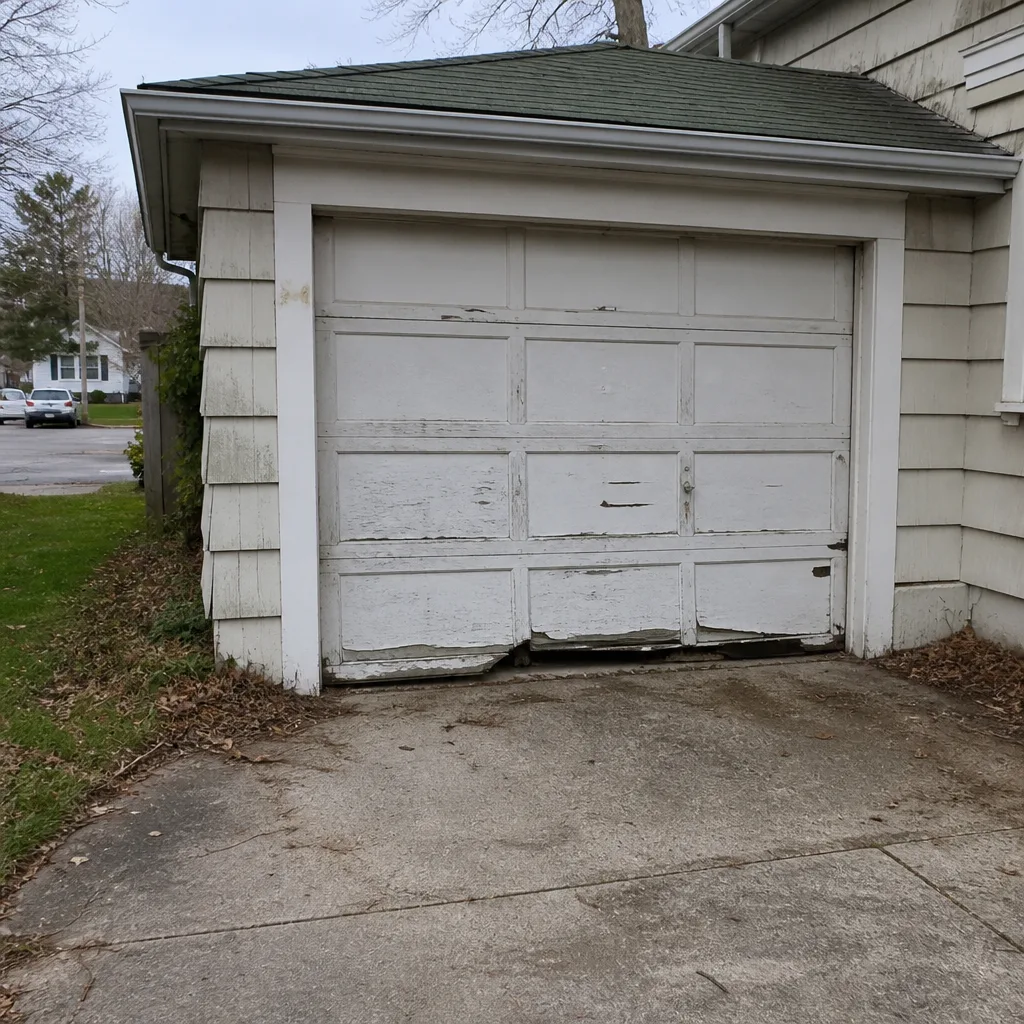
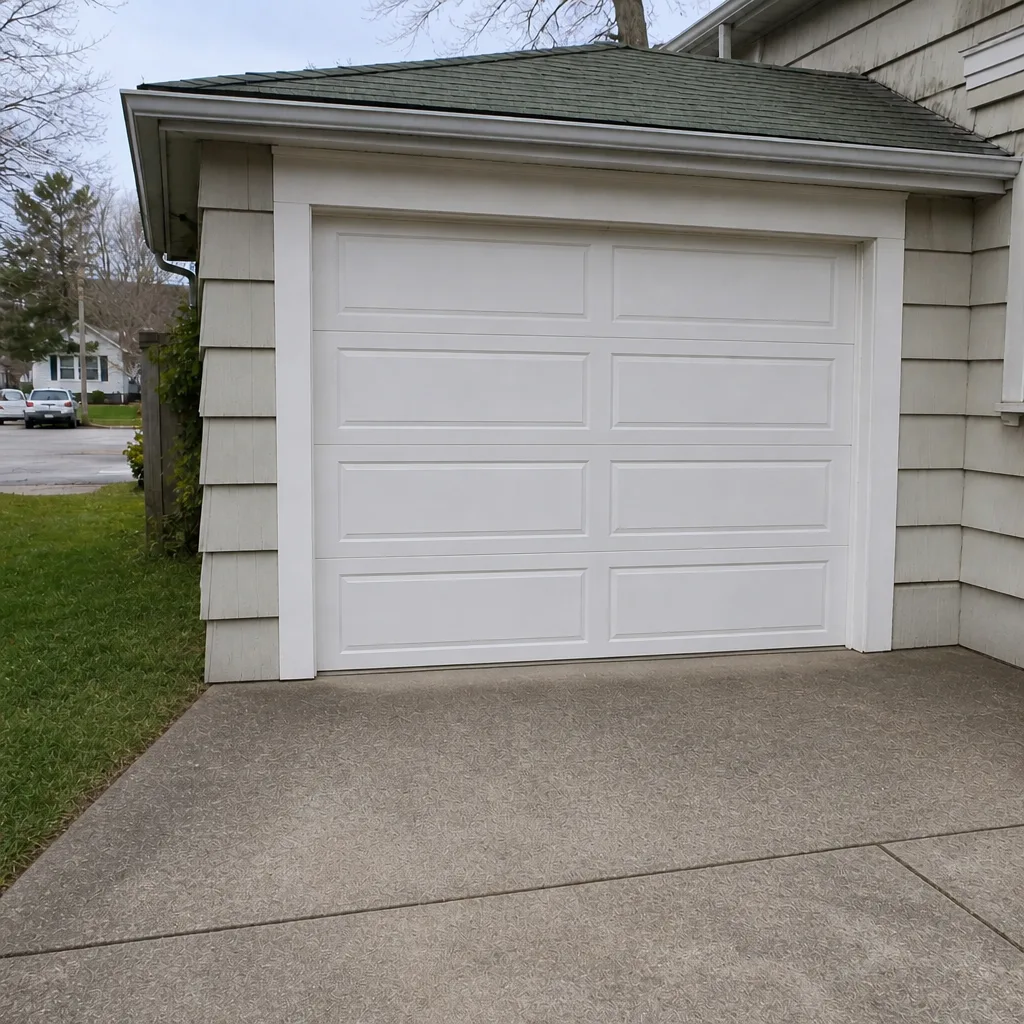
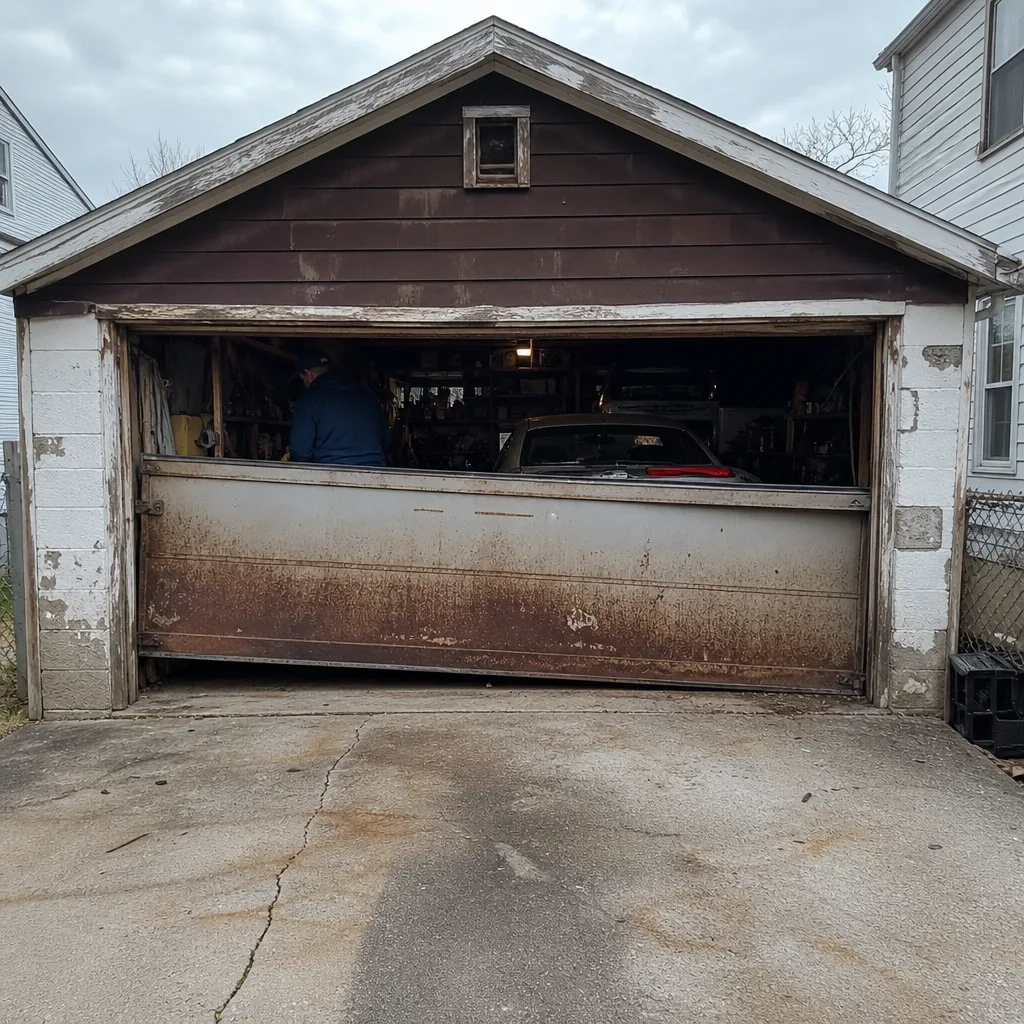
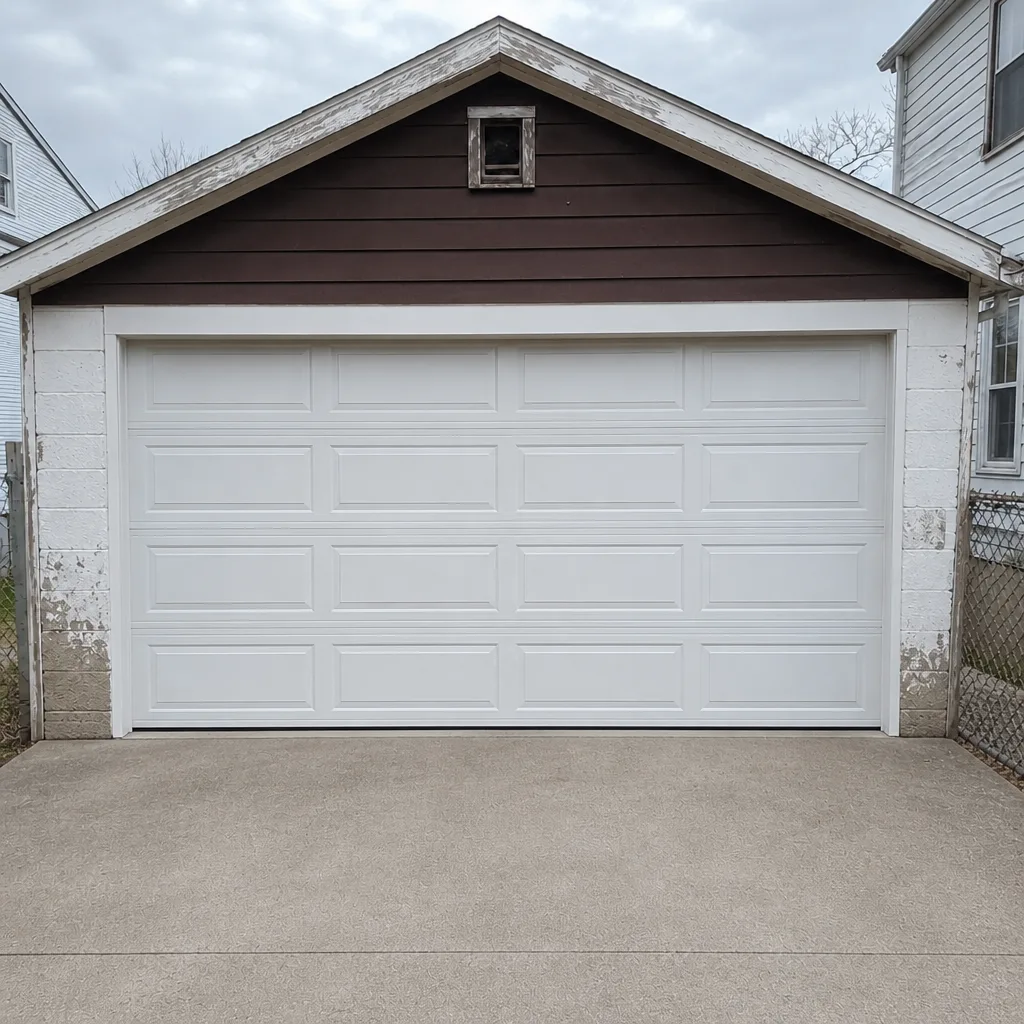
See the difference
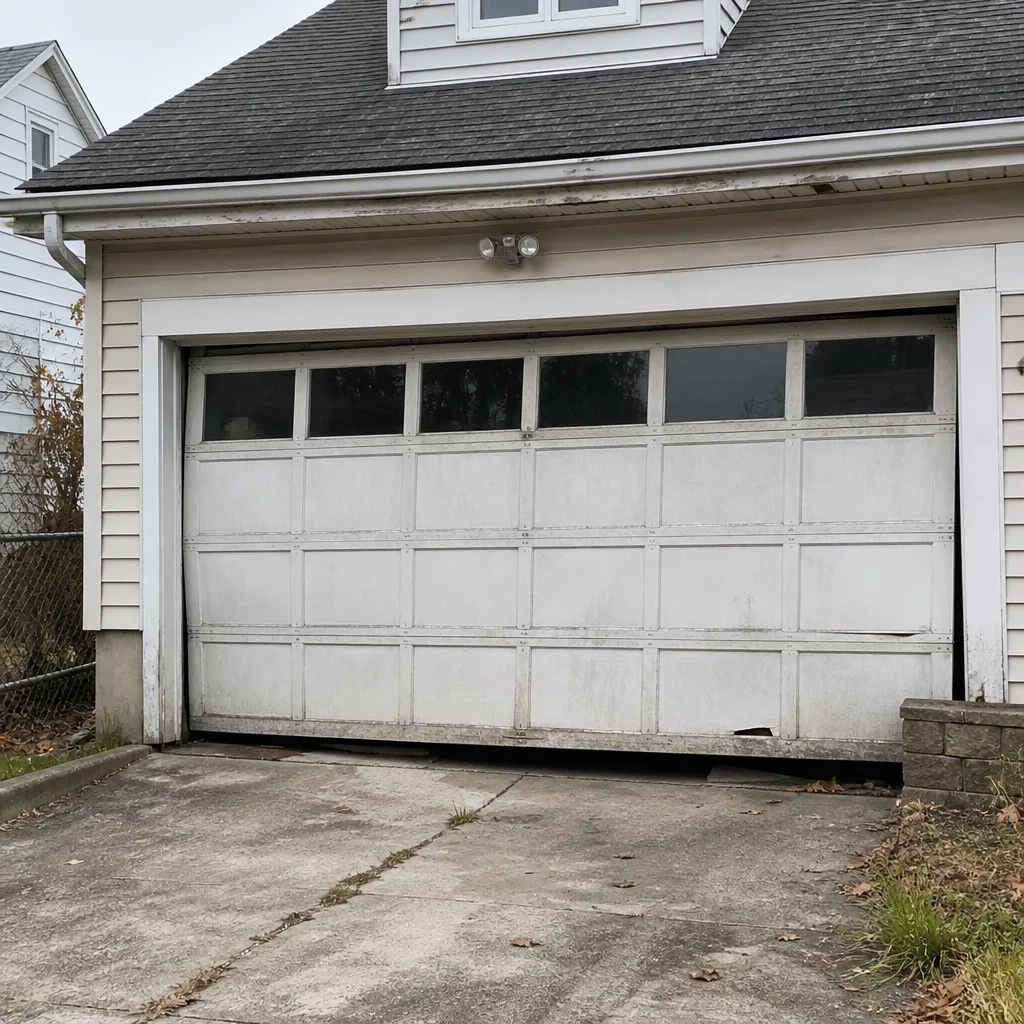 Before
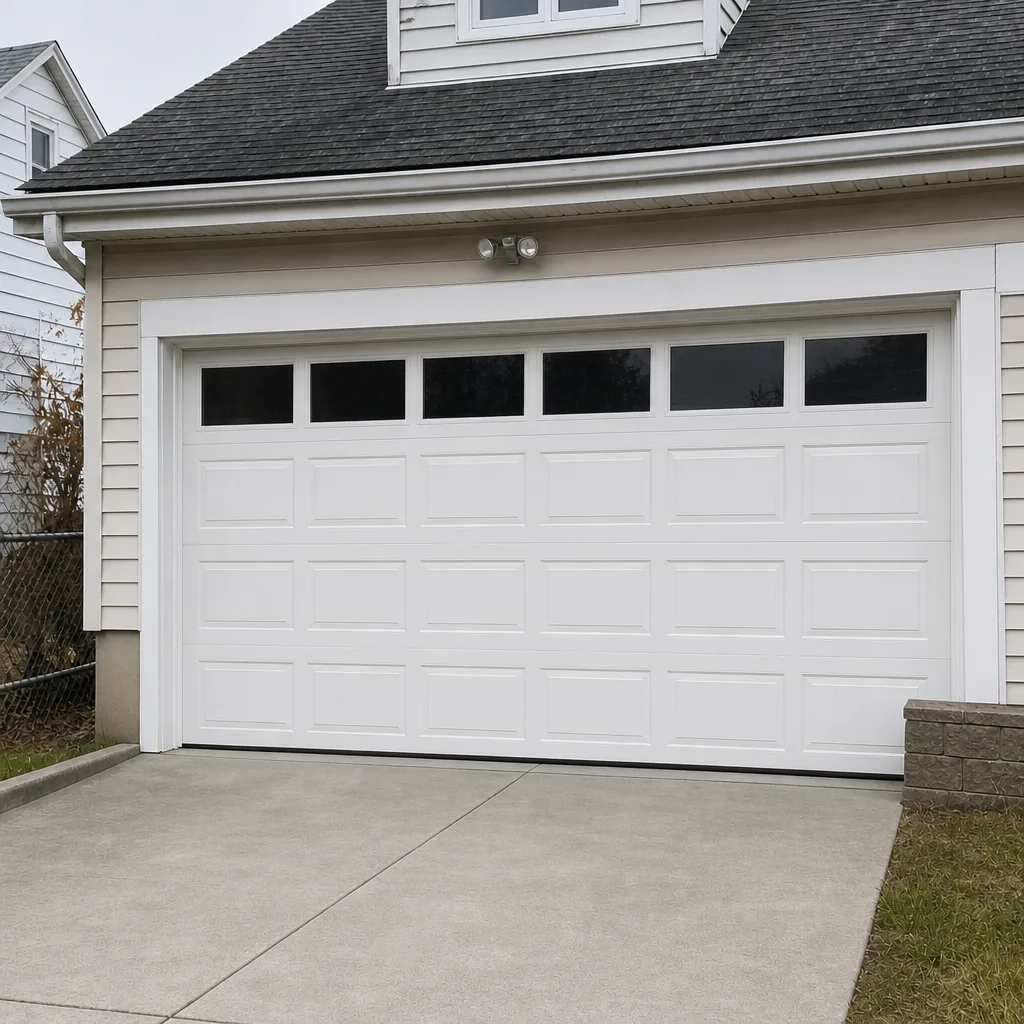 After
 Before
 After
 Before
 After
When to Call a Professional
Brand selection is the easy half. The other half is knowing when to stop doing it yourself, and that’s often sooner than people think. If your door has a snapped torsion spring, don’t touch it. Springs are under heavy tension and can cause serious injury, and even a careful homeowner should leave the repair to a trained technician. The same goes for a door that’s off its track, a cable that’s frayed, or an opener that reverses on its own with no obstruction. Those are safety failures, not weekend projects.
For installation, a new door, or a full replacement, a free measure and a written quote are the right first step, and there’s no reason to guess your way into a purchase. Garage Door Repair Providence Pros offers free estimates in Providence and works on whatever brand is already in your garage. Call (877) 792-6062 to book a measure.
Frequently Asked Questions
Clopay and Amarr fit most Providence homes well, especially in the mid-range tier where a two-layer or steel-backed door handles freeze-thaw and quiet operation without overspending. Clopay and Amarr have broad Rhode Island parts support, so a repair doesn’t stall on the part. The right brand is still whichever one fits your garage’s exposure, opening size, and how long you plan to stay.
Not a different brand, but a different tier. A detached garage that’s unheated and faces north into the wind should favor a solid, sealed door over an insulated showpiece, because insulation buys comfort and stability rather than energy savings into the house. An attached garage under living space is the opposite case and justifies the premium core.
Typical installed ranges depend on door size and tier: budget single-layer doors sit at the low end, mid-range two-layer doors in the middle, and premium three-layer doors at the top. The written estimate sets the final price, and the tier you pick plus opener pairing moves the number. Call (877) 792-6062 for a free measure and an exact quote; estimates are free.
Yes. Door brands and opener brands aren’t locked to each other, so a Genie or Chamberlain opener can run a Clopay, Amarr, or Wayne Dalton door. What matters is the opener’s rated weight and torque matching the door, and the safety sensors being aligned and working. We pair any brand with any opener.
Yes, and it isn’t close. A mid-range door on a level, well-tensioned track will outlast a premium door installed poorly. Tracks level, springs matched to door weight, a clean opener mount, and sealed edges are what keep a door running for years. The brand warranty often hinges on a manufacturer-spec install anyway.
Clopay, Amarr, Wayne Dalton, and the common opener brands (LiftMaster, Chamberlain, Genie, Craftsman) generally have the strongest local parts support, which shortens repair times. Specialty premium and full-view aluminum doors are usually made to order, so lead time is part of the process rather than a surprise.
The Bottom Line
The best garage door brand is the one that fits your garage, not the one with the loudest ad. Match the tier to your situation (attached or detached, heated or unheated, facing wind or sheltered), favor brands with local Rhode Island parts support, match insulation to how you actually use the space, and read the warranty before you buy. Then insist on a proper install, because that matters more than the logo. Our technicians have up to 10 years of experience and are certified to service eight major brands, so we’ll work on whatever you choose. Garage Door Repair Providence Pros can help you sort the decision and get a written quote before any work starts.
Call (877) 792-6062 for a free estimate in Providence today. One call, fully handled.
Written by the team at Garage Door Repair Providence Pros.