Last updated November 23, 2026
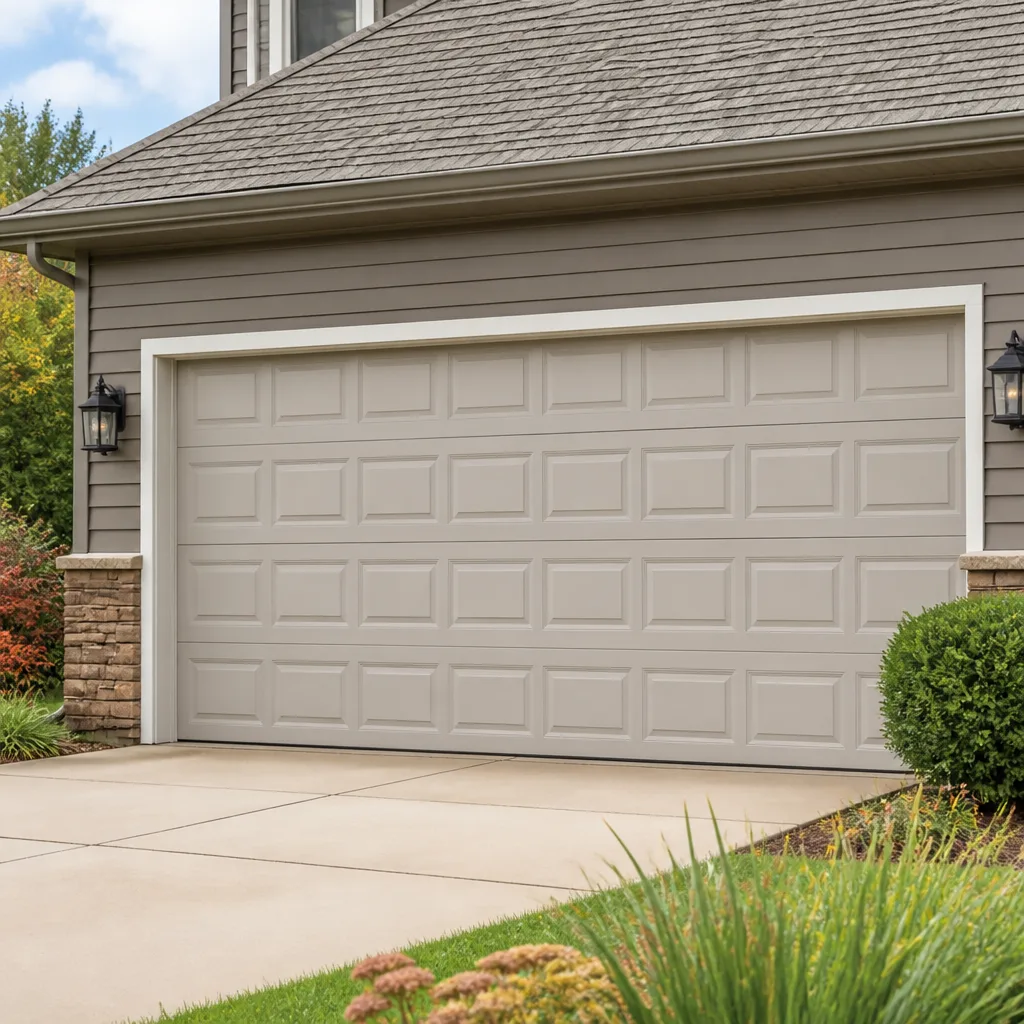 Raised-panel steel
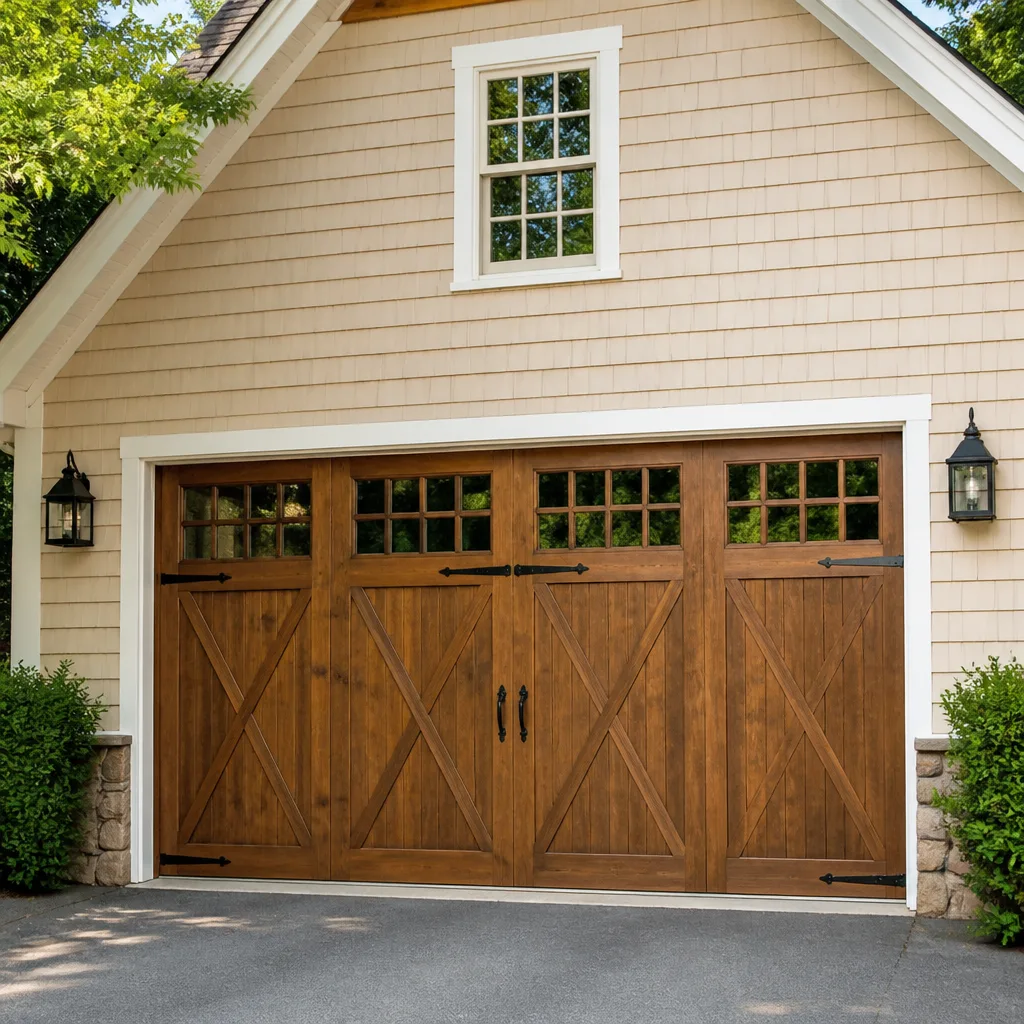 Carriage house
 Modern flush
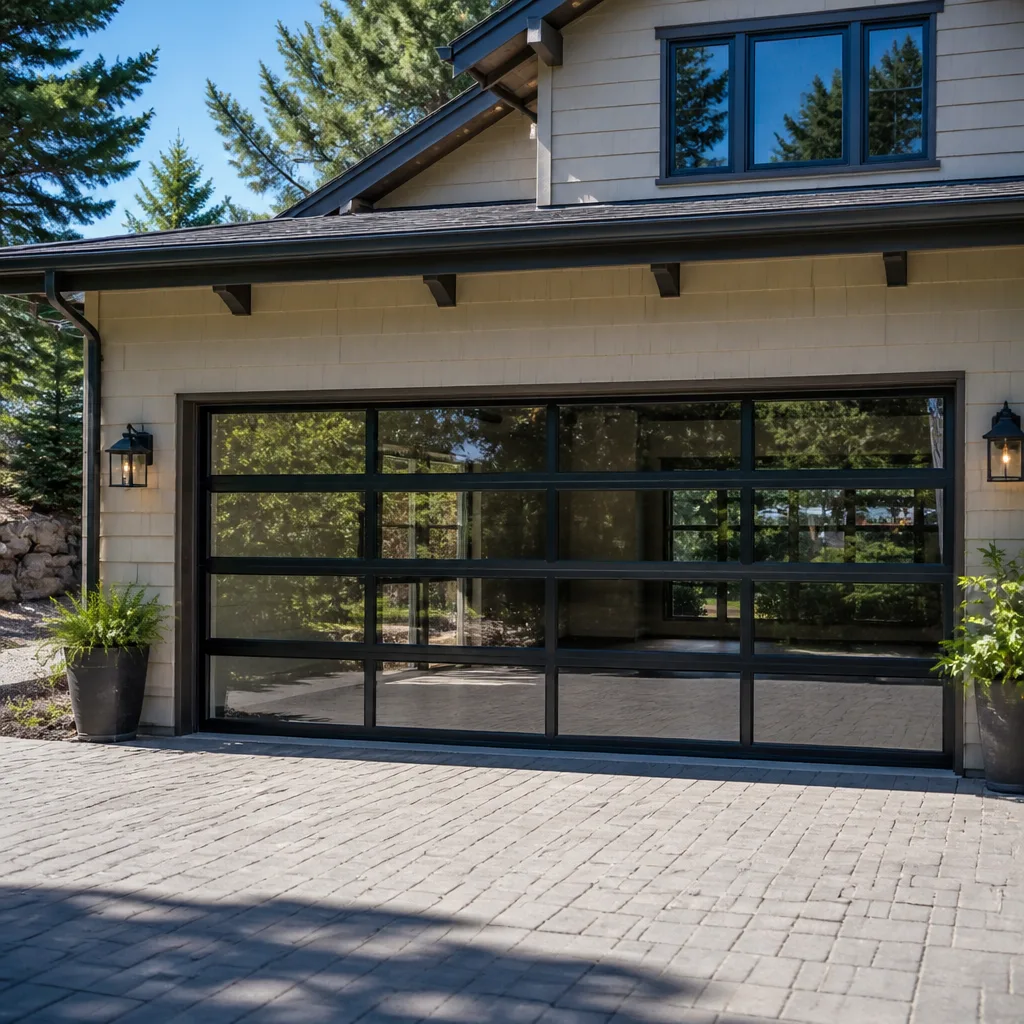 Full-view glass
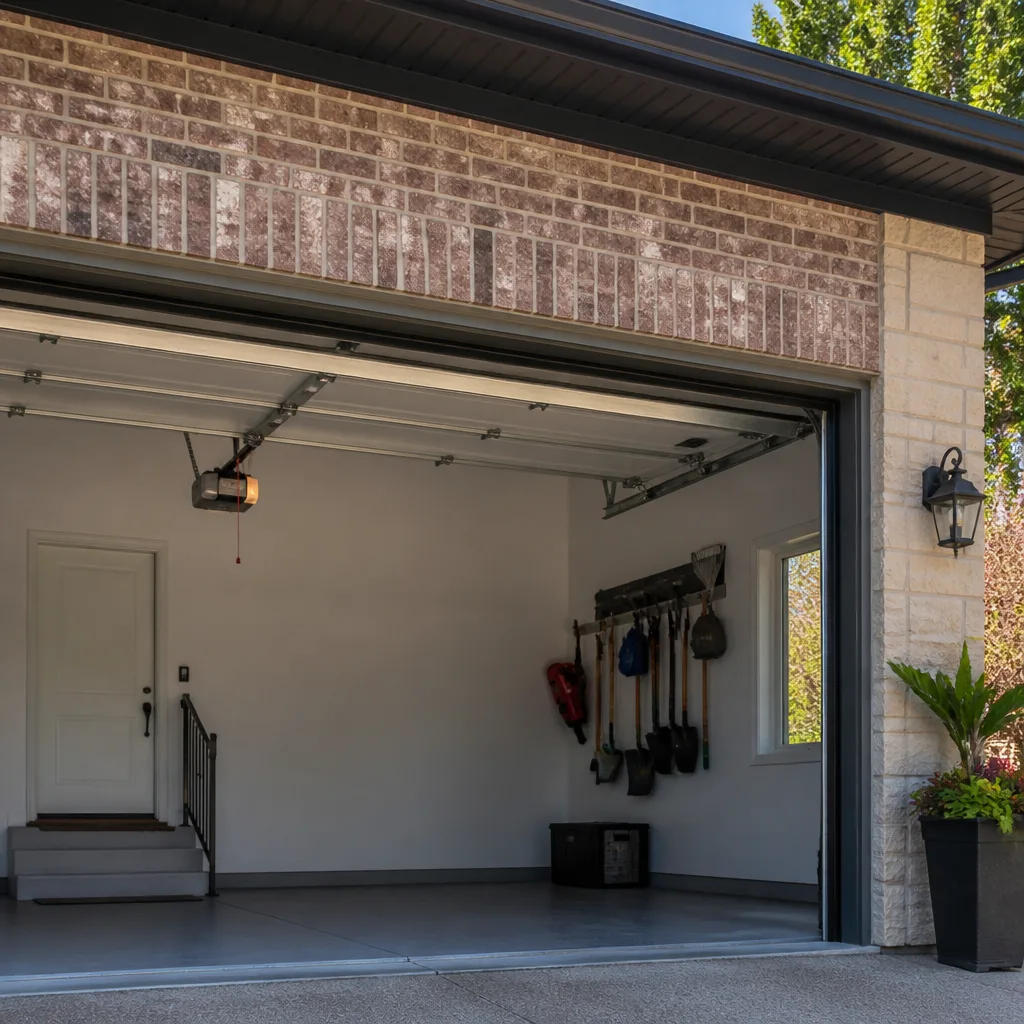 LiftMaster openers
 Chamberlain openers
Full 25-point door and opener safety check with every visit - springs, cables, rollers, tracks, and your LiftMaster or Chamberlain opener included
You get a price before we start. It does not change when the pro arrives.
Get your free estimateGarage Door Emergency Preparedness Guide for Providence Homes
When a nor’easter knocks out power to your Providence home at 7 AM and your car is trapped in the garage, you have about 90 seconds to get it out manually before you’re late for work. If you’ve never tested your emergency release, you don’t actually know whether it works. Most homeowners assume the red cord hanging from the opener is foolproof. It isn’t, and the time to find out is not during a blizzard with a meeting in 40 minutes.
This guide is about having a plan before the crisis. We’ll walk through how to test and use your manual release under pressure, what to do the moment a spring snaps, how to prepare for the power outages that roll through Providence neighborhoods every winter, and what to have ready before you call a technician so the job gets done faster and cheaper. By the end, you’ll know exactly what your garage door can and can’t do when things go wrong.
Quick Answer
Garage door emergency preparedness in Providence means three things: knowing how to safely release your door manually during a power outage, knowing what to do (and not do) when a spring snaps, and having a backup power plan for your opener that actually works in New England cold. Test your emergency release cord twice a year, never force a door with a broken spring, and keep a technician’s number within reach before you need it.
Key Takeaways
- Test your manual release cord every spring and fall, not during an outage.
- A snapped spring means stop. Do not open the door fully by hand.
- Standard opener battery backups can fail in extreme cold; check yours before winter.
- Have your door’s brand, model, and symptoms ready before you call.
- Price is quoted and agreed before any work begins.
Styles & brands we work with
- Raised-panel steel
- Carriage house
- Modern flush
- Full-view glass
- LiftMaster openers
- Chamberlain openers
Table of Contents
- How Do You Test and Use the Manual Emergency Release Cord?
- What Should You Do Immediately When a Spring Snaps?
- How Do You Prepare for a Providence Power Outage?
- How Do You Secure a Garage Door Stuck Partially Open in a Storm?
- Why Do Battery Backups Fail Below 20°F?
- What Information Should You Have Ready Before Calling a Technician?
- What Makes Winter Different for Providence Garages?
- How Do You Build a Year-Round Garage Door Emergency Plan?
How Do You Test and Use the Manual Emergency Release Cord?
The manual release cord is the red handle that hangs from your opener’s trolley. Pulling it disconnects the door from the opener so you can lift it by hand. It’s the single most important emergency feature on your garage door, and it’s also the one most homeowners have never touched. Here’s how to test it safely, with another adult present.
- Close the garage door completely and make sure no one is standing under or near it.
- Pull the release cord straight down firmly. You should hear the trolley disengage.
- Lift the door by hand slowly. A properly balanced door should rise with steady, even pressure.
- Lower it back down carefully and re-engage the trolley by running the opener until it clicks back in.
- Run the door up and down with the opener to confirm everything reconnected correctly.
A door that’s hard to lift by hand, or that slams down, is a warning sign. Balance problems often point to spring wear, and that’s not something to ignore. In our experience, a door that takes real effort to raise by hand during a test is a door that will be nearly impossible to raise during an actual outage in the dark. If yours feels heavy, have it checked before winter.
During an actual outage, keep the following in mind. Pull the cord only when the door is fully closed. Never pull it while the door is moving. And once the door is disconnected, treat it as a manual door until you re-engage the trolley after power returns. If your door has a jackshaft or side-mounted opener, the release mechanism may be a chain or a different handle, so read your opener manual once now rather than fumbling with it in a storm.
What Should You Do Immediately When a Spring Snaps?
When a torsion spring snaps, you’ll hear a loud bang that sounds like a gunshot in the garage. The door becomes extremely heavy, and the opener may still try to run. The correct response is to stop using the door entirely. Do not try to open it fully by hand, and do not keep cycling the opener hoping it will catch.
Garage door springs store enormous energy. A torsion spring under tension can cause serious injury if it releases unexpectedly, and attempting a repair yourself is one of the most dangerous things a homeowner can do around a house. The springs, cables, and brackets are all under load, and a mistake can send hardware flying.
Here’s what to do instead:
- Stop pressing the opener button. Unplug the opener or trip the breaker if you can safely reach it.
- Keep kids and pets away from the door.
- If the door is fully closed, leave it closed. That keeps the house secure.
- If the door is partially open and stuck, see the section below on securing a partially open door.
- Call a trained technician. A snapped spring is a same-day repair for most pros, and it’s not a DIY job.
For Providence homeowners, spring failure often shows up in late winter and early spring, after months of cold-weather cycling. The metal fatigues faster with temperature swings, and a door that’s been opening and closing through a Rhode Island winter may be closer to failure than you’d guess. If you hear a snap, you can reach our team for garage door repair and we’ll get a technician out to assess the damage. Spring repair is a named service for us because it’s one of the most technically demanding jobs in the trade, and it deserves to be handled by someone who does it regularly.
How Do You Prepare for a Providence Power Outage?
Power outages are part of life in Providence. Between nor’easters, ice storms, and the occasional downed line, most homeowners here will face at least one multi-hour outage during the winter. When that happens, your garage door stops working unless you have a plan. Here’s how to build one.
- Test the manual release twice a year. Spring and fall are the right times. Do it with another adult present.
- Learn how your specific opener releases. Belt-drive, chain-drive, and jackshaft openers all release differently.
- Keep a flashlight and work gloves near the garage door. You won’t want to search for either in the dark.
- Consider a battery backup opener. Many current models from LiftMaster, Chamberlain, and Genie offer battery backup that lets the door cycle a few times during an outage.
- Test the battery backup before winter. A backup that hasn’t been tested in two years is a backup you can’t count on.
- Know your door’s weight. If it’s heavy, plan for two people to lift it manually.
We work on the brands already in your garage, which means whether you have a LiftMaster, a Chamberlain, or a Genie opener, we can diagnose the backup system and get it working. If you’re not sure your opener has a backup at all, that’s a quick check. Look for a battery compartment on the motor head, and check the manual for a model number. When the backup does need service, our garage door opener repair team can sort it out before the next storm rolls through.
One more thing: a battery backup isn’t a substitute for the manual release. It’s a supplement. Batteries drain, and in extreme cold they drain fast. Know how to release the door by hand regardless of what opener you have.
How Do You Secure a Garage Door Stuck Partially Open in a Storm?
If your door is stuck open or partially open during a storm, your priority is keeping the house secure and keeping water out. A partially open door during a driving rain lets water in, and it also leaves your home exposed. You need a temporary fix that doesn’t damage the hardware, and you need it fast.
Here’s what works, in order of preference:
- Lower the door by hand if it’s safe. If the door is disconnected from the opener and balanced, you may be able to guide it down slowly. Never force a door with a broken spring.
- Brace the door from the inside. Use a sturdy board or adjustable pole wedged between the door and the floor to hold it in place. This distributes force without bending the panels.
- Use a tarp for weather protection. Hang a heavy tarp over the opening from the inside and weigh it down. This won’t secure the house, but it keeps rain out.
- Don’t drill into the door or tracks. Temporary fixes that involve screws or nails can damage the hardware and cost more to repair later.
If the door is fully open and won’t come down, the safest move is often to leave it and call a technician. A door stuck in the up position is a security concern, and it may be sitting on a failed spring or a broken cable. For Providence homes, the biggest risk during a nor’easter is wind-driven rain coming in through an open door, so getting a tarp up quickly matters. If you’re not sure whether it’s safe to move the door, don’t. Give us a call and we’ll talk you through your options.
Why Do Battery Backups Fail Below 20°F?
Most opener battery backups use sealed lead-acid or lithium batteries, and both lose capacity in cold weather. Below 20°F, a backup that would normally run the door several times may only manage one cycle, or none at all. That’s a problem in Providence, where January and February routinely drop well below that mark.
What you can do about it:
- Test the backup in late fall. A backup that works fine in October may fail in January.
- Check the battery type. Lithium backups generally hold up better in cold than lead-acid, but no battery is fully immune to New England winters.
- Keep the opener itself warm. Garages that are attached and somewhat insulated stay warmer than detached garages, which affects battery performance.
- Replace old batteries. A backup battery that’s more than a few years old is worth replacing before winter.
If you have a Clopay or Amarr door paired with an older opener, the backup system may be past its useful life. We can check the battery, test the backup under load, and tell you honestly whether it’s worth replacing or whether a manual release plan is the better answer for your setup.
What Information Should You Have Ready Before Calling a Technician?
When you call for emergency garage door service, having the right information ready cuts the time to diagnosis and can keep the job cheaper. A technician who knows the door brand, the opener model, and the symptoms before arriving can bring the right parts and plan the repair before pulling into your driveway.
Have these ready:
- The door brand. Clopay, Amarr, Wayne Dalton, and Craftsman are common in Providence, but check the label on the door or the frame.
- The opener brand and model. Check the motor head or the manual. Model numbers are usually on a sticker.
- What happened. Did you hear a bang? Did the door stop halfway? Is the opener running but the door not moving?
- Whether the door is up, down, or stuck partway.
- Whether the door is safe to leave as-is. If it’s partially open, say so; the technician may prioritize your call.
- Your address and any access notes. Narrow driveways, low clearance, or HOA rules are worth mentioning.
We’re certified to service LiftMaster, Chamberlain, Genie, Clopay, Amarr, Wayne Dalton, Craftsman, and Raynor equipment, so whatever is in your garage, we work on it. No brand exclusivity, no steering you toward a replacement you don’t need. Fast diagnosis, honest repair. Call (877) 792-6062 and we’ll get the details sorted.
What Makes Winter Different for Providence Garages?
Providence winters put specific stress on garage doors that homeowners in milder climates never deal with. Temperatures swing from the 30s to below zero, snow and ice build up around the door seal, and the door cycles more often as people come and go in cold weather. All of that accelerates wear on springs, cables, rollers, and openers.
The most common winter issues we see in Providence:
- Frozen door seals. The rubber seal at the bottom of the door can freeze to the floor, and forcing the opener can strip gears.
- Stiff rollers and hinges. Cold thickens lubricant, and a door that ran smoothly in October may groan in January.
- Spring fatigue. Metal contracts and becomes more brittle in cold, and springs that are near the end of their life often fail in the first cold snap.
- Opener strain. A cold door is heavier, which puts more load on the opener and can shorten its life.
- Snow and ice blocking the door. A drift against the door can stop it from closing, and the opener may keep running against the obstruction.
A little prevention goes a long way. Keep the area around the door clear of snow. Lubricate the moving parts before winter. And if the door has been sluggish or noisy, get it checked before the cold sets in. If you’re thinking about a new door that handles cold better, our garage door installation team can walk you through your options. For most homeowners, though, a tune-up and a tested manual release are enough to get through the season.
How Do You Build a Year-Round Garage Door Emergency Plan?
A garage door emergency plan doesn’t need to be complicated. It’s a short list of things you check on a schedule and a phone number you keep handy. The point is to have answers before the questions come up, not during a storm.
Here’s a simple plan that works for most Providence homes:
- Twice a year (spring and fall): Test the manual release. Test the opener’s safety reverse. Lubricate the moving parts.
- Late fall: Test the battery backup. Check the door seal for cracks. Clear the area around the door of leaves and debris.
- Before winter: Have the door balanced and the springs checked if it’s been more than a few years.
- During a storm: Keep the door closed. If you lose power, use the manual release only when the door is fully closed.
- After a storm: Check the door for damage, clear snow and ice, and test the opener.
- Any time: If you hear a bang, see a gap in the door, or the opener behaves strangely, stop using the door and call a technician.
We’ve seen how quickly a small issue becomes an emergency when it’s ignored. A noisy roller becomes a broken hinge. A sluggish door becomes a snapped spring. The homeowners who avoid the worst outcomes are the ones who check things on a schedule and call when something feels off.
Common Mistakes to Avoid
- Never testing the manual release until an outage. A release cord that hasn’t been pulled in years may be stuck, rusted, or disconnected. Test it before you need it.
- Forcing a door with a broken spring. The opener will strain, the door may come down hard, and someone can get hurt. Stop and call.
- Pulling the release cord while the door is moving. This can drop the door suddenly. Only pull it when the door is fully closed.
- Assuming the battery backup will work in the cold. A backup that works in October may fail at 10°F. Test it before winter, not during a storm.
- Drilling into the door or tracks for a temporary fix. Screws and nails damage the hardware and cost more to repair than the original problem.
- Calling without the brand and model. A technician who knows what you have can arrive prepared. Without that info, the job takes longer.
- Ignoring a noisy or sluggish door. In Providence winters, small problems get worse fast. A door that groans in November may fail in January.
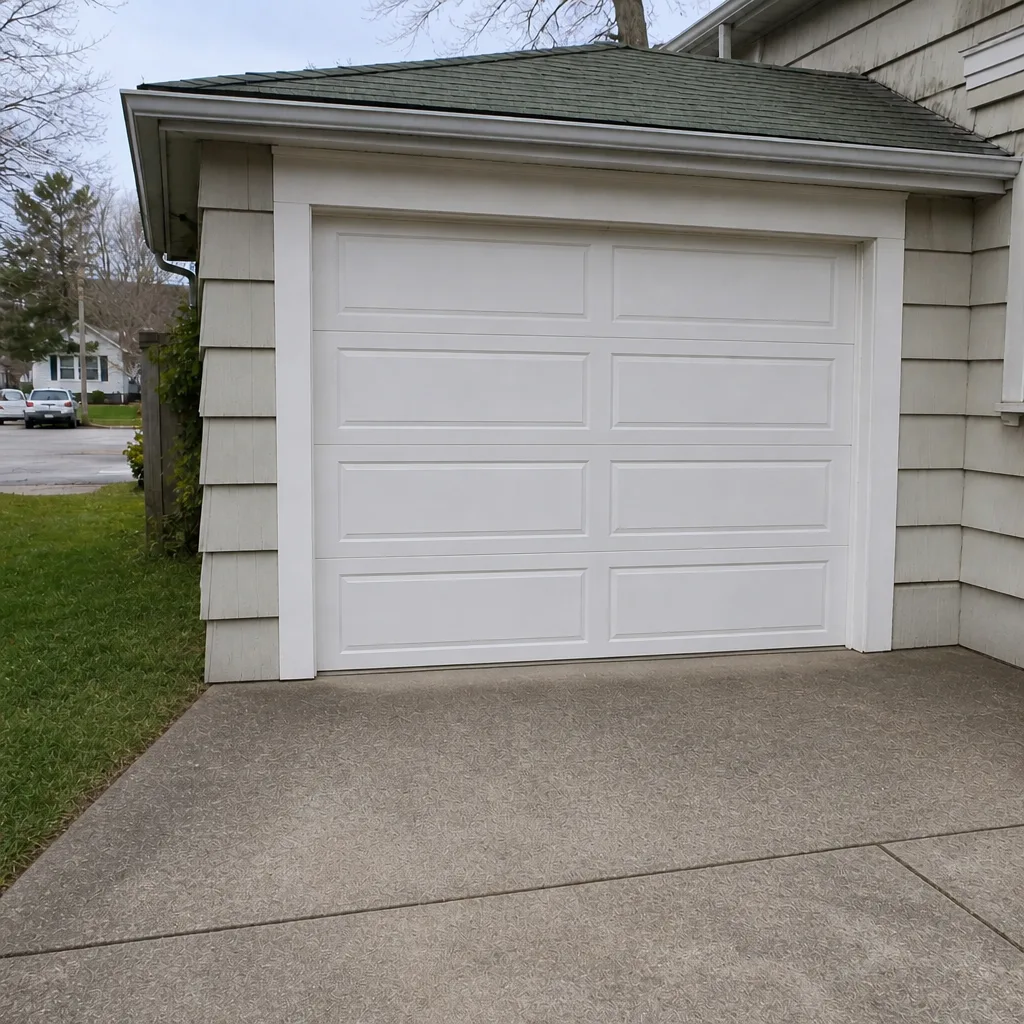
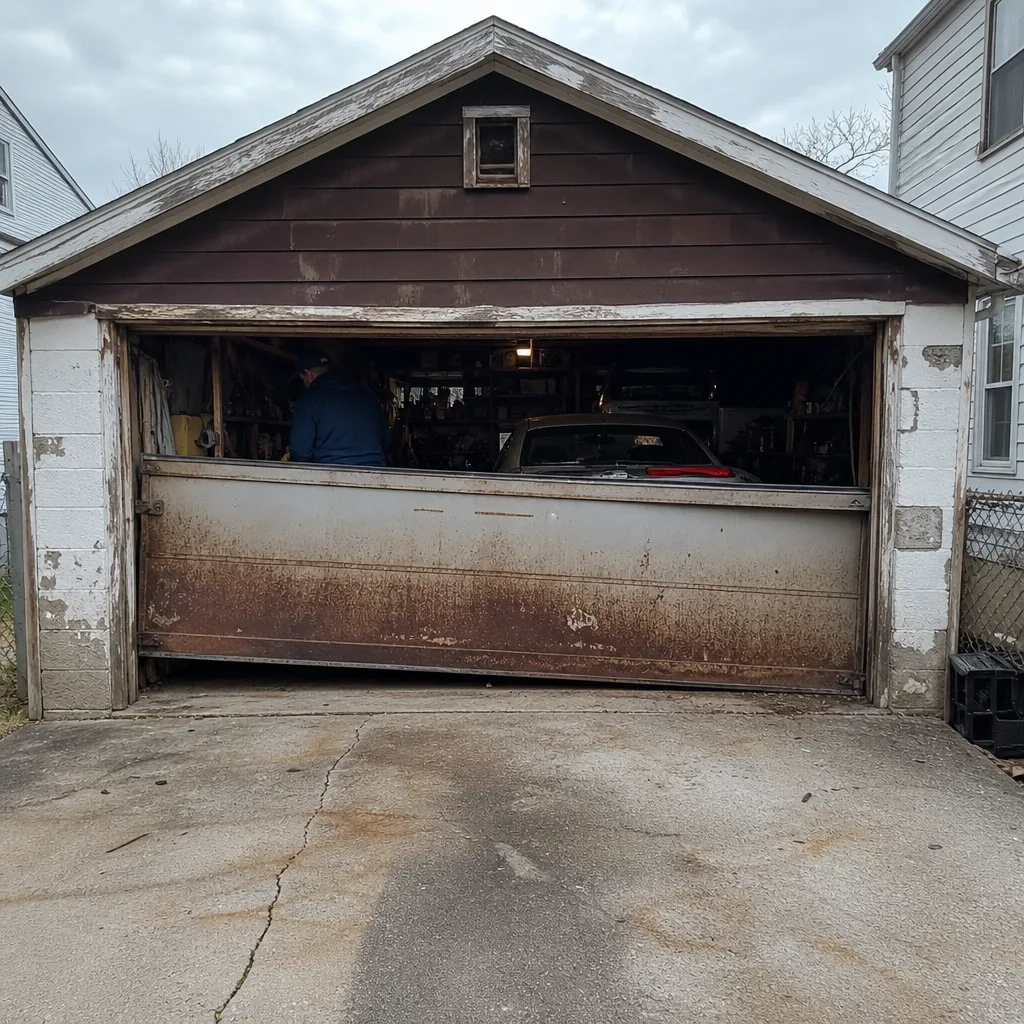
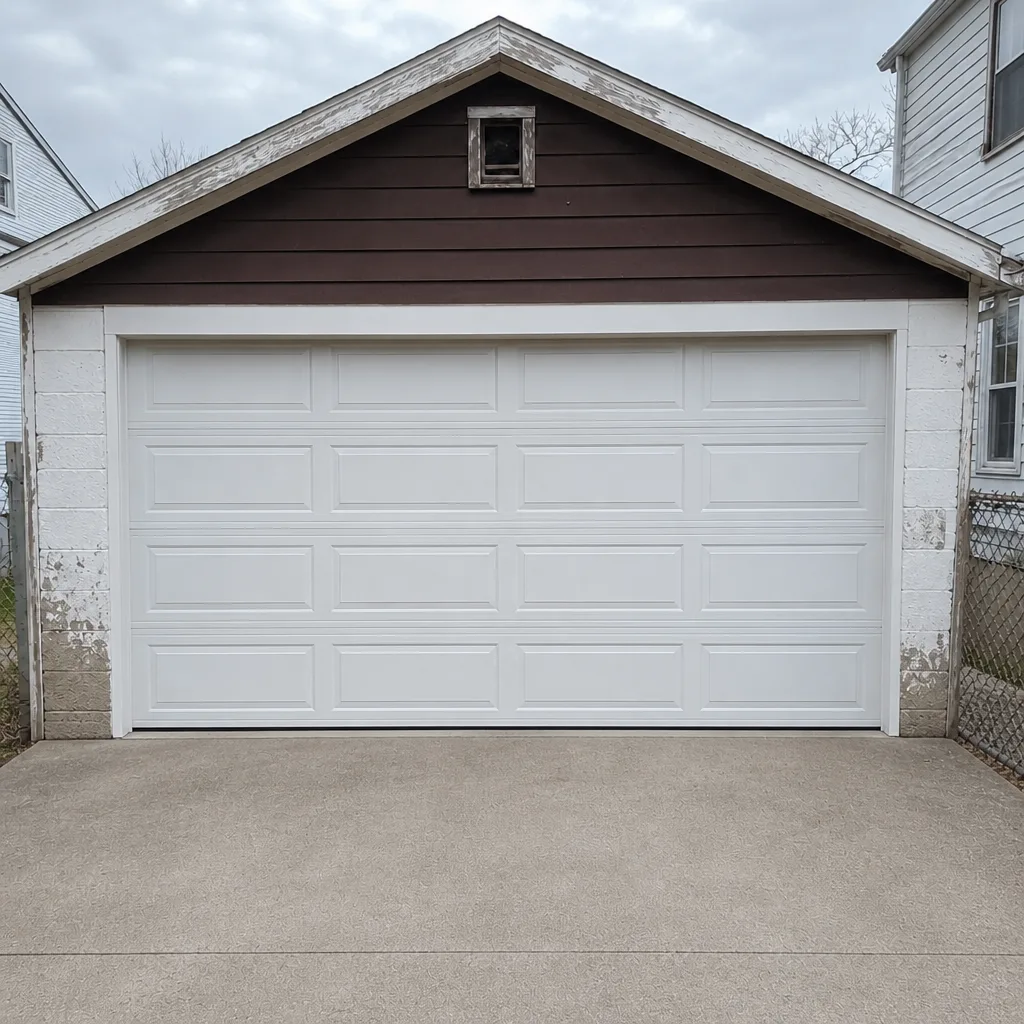
See the difference
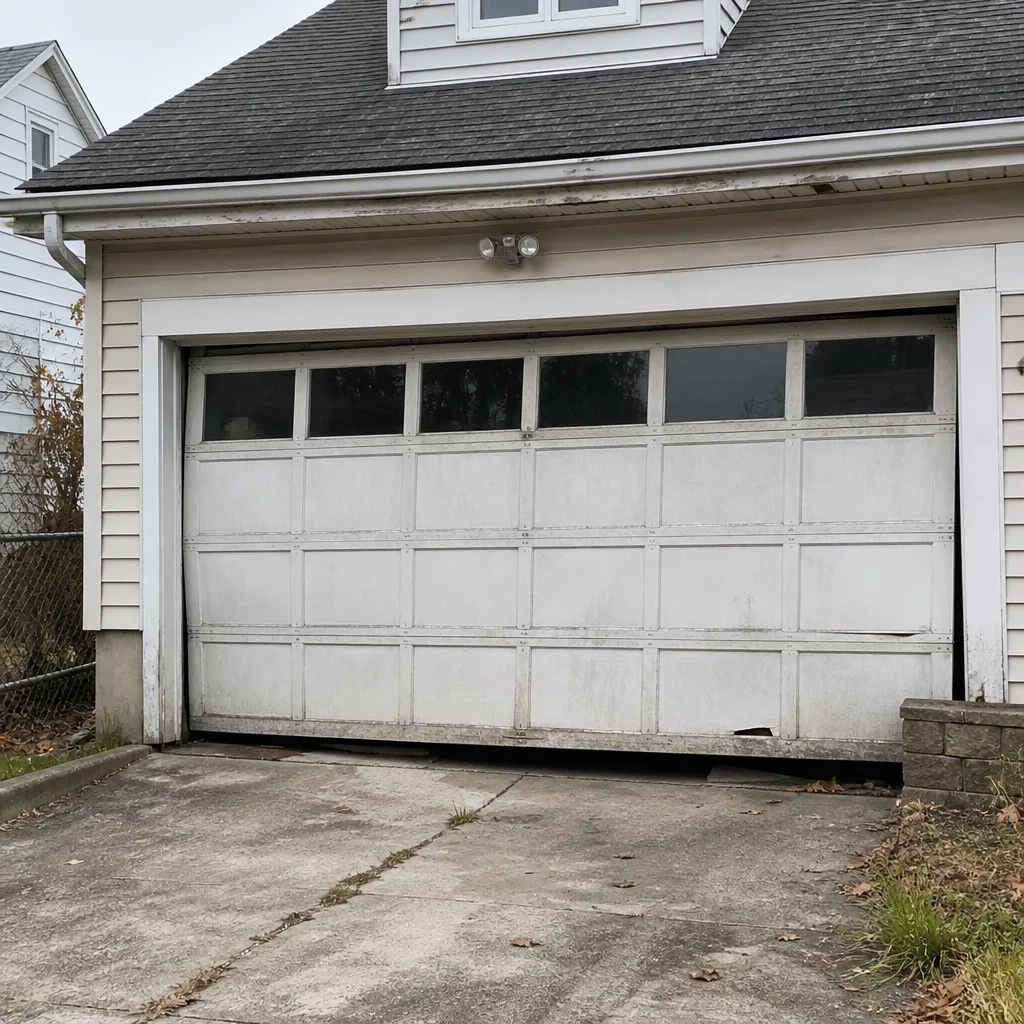 Before
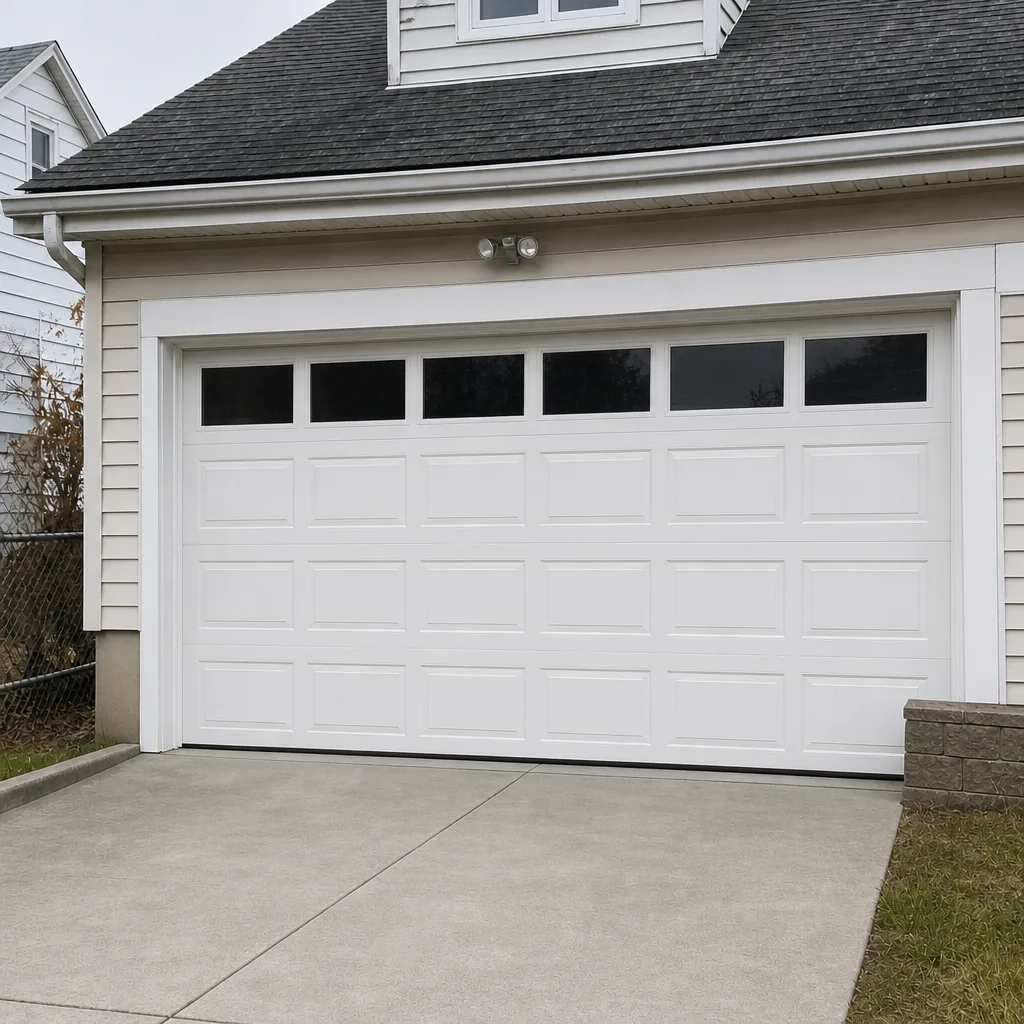 After
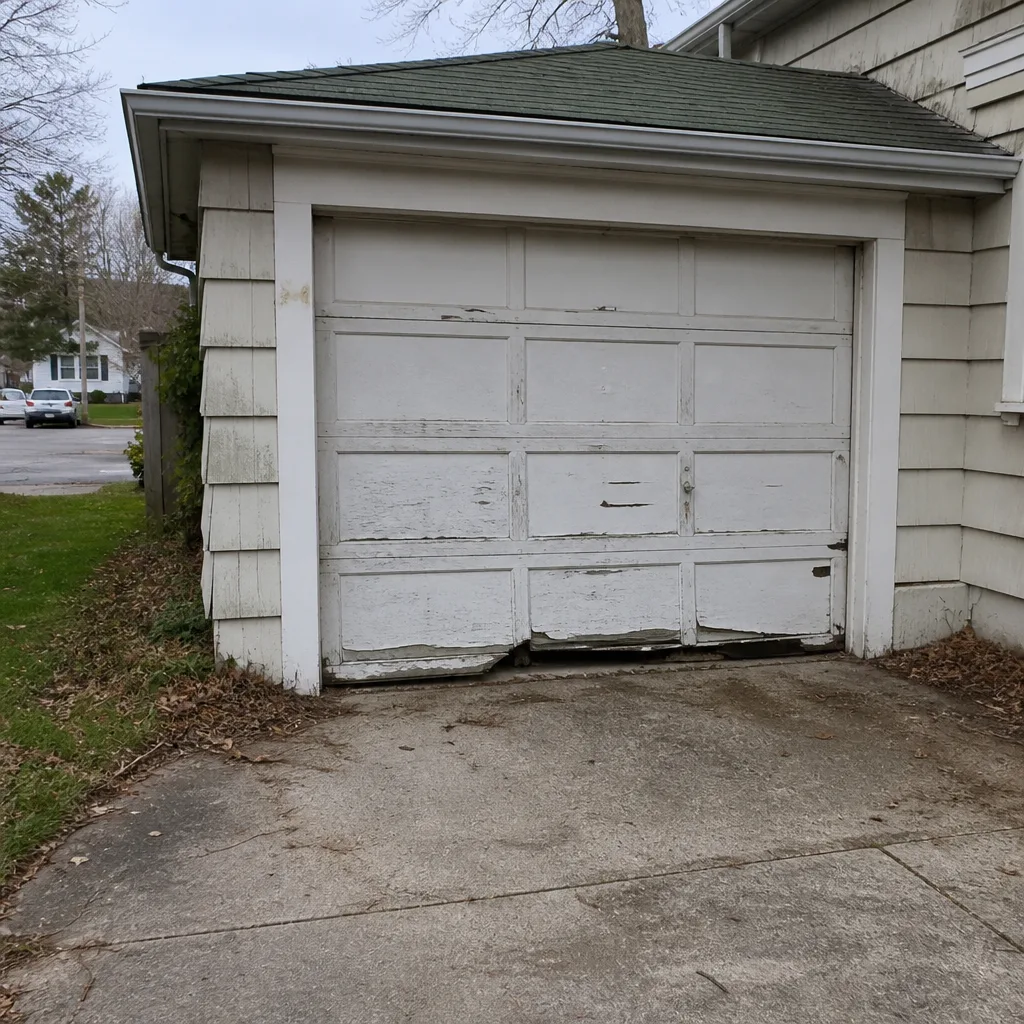 Before
 After
 Before
 After
When to Call a Professional
Call a professional when a spring snaps, when the door won’t open or close evenly, when the opener runs but the door doesn’t move, or when you hear a loud bang from the garage. Call if the door is stuck partially open and you can’t safely secure it. Call if the door came off its tracks, if a cable is loose or frayed, or if the door has become hard to lift by hand. And call if you’re simply not sure whether it’s safe to use the door. Springs and cables are under tension, and a mistake can cause serious injury.
Garage Door Repair Providence Pros offers free estimates in Providence. Call (877) 792-6062 and we’ll get a technician out to diagnose the problem. Our technicians have up to 10 years of experience, and the local pro is licensed and insured as their state requires. Price is quoted and agreed before any work starts, so you know the cost before we begin.
Frequently Asked Questions
Most emergency garage door repairs in Providence fall in the $150 to $450 range, depending on the part and the time of day. Spring repairs and opener replacements tend to be at the higher end. The written estimate sets the final price, and we quote it before any work begins. Call (877) 792-6062 for an exact quote; estimates are free.
Yes, in most cases we can get a technician out the same day for a door that’s stuck, a snapped spring, or a door that won’t close. Emergency service is a core part of what we do, not an afterthought. Call (877) 792-6062 and we’ll tell you what’s available.
No. We quote the price after diagnosing the problem and agree on it with you before any work starts. If we find something additional during the repair, we’ll discuss it with you before proceeding. You won’t get an invoice bigger than the quote.
Yes. The local pro we connect you with is licensed and insured as their state requires. Our technicians have up to 10 years of experience, and we’re certified to service LiftMaster, Chamberlain, Genie, Clopay, Amarr, Wayne Dalton, Craftsman, and Raynor equipment.
Stop using the door. Unplug the opener if you can safely reach it, keep everyone away from the door, and leave the door closed if it’s already down. Don’t try to open it fully by hand. Call (877) 792-6062 and we’ll schedule a technician for the earliest available time.
Yes, if the door is balanced and the springs are intact. Pull the manual release cord only when the door is fully closed, then lift the door by hand slowly. If the door is hard to lift or the springs are broken, don’t force it. Call (877) 792-6062 for help.
Check the motor head for a battery compartment and look up your model number in the manual. Many current LiftMaster, Chamberlain, and Genie openers include backup. If you’re not sure, test it by unplugging the opener and running the door; if it moves, you have backup.
The Bottom Line
Garage door emergencies in Providence are predictable in the ways that matter. Springs fail after cold winters. Power goes out during nor’easters. Doors get stuck at the worst possible time. The homeowners who come through those moments with the least stress are the ones who tested their manual release, checked their battery backup before winter, and knew what to do when something went wrong. You don’t need to be an expert. You need a plan and a phone number.
If you’re facing a garage door problem right now, or you just want a professional to check things before the next storm, call (877) 792-6062 for a free estimate. For everything from a snapped spring to a new door, we’re Garage Door Repair Providence Pros, and we work on your brand, whatever it is.
Related Reading
- Garage door repair in Providence
- Garage door opener repair in Providence
- Garage door installation in Providence
Written by the team at Garage Door Repair Providence Pros.