Last updated November 23, 2026
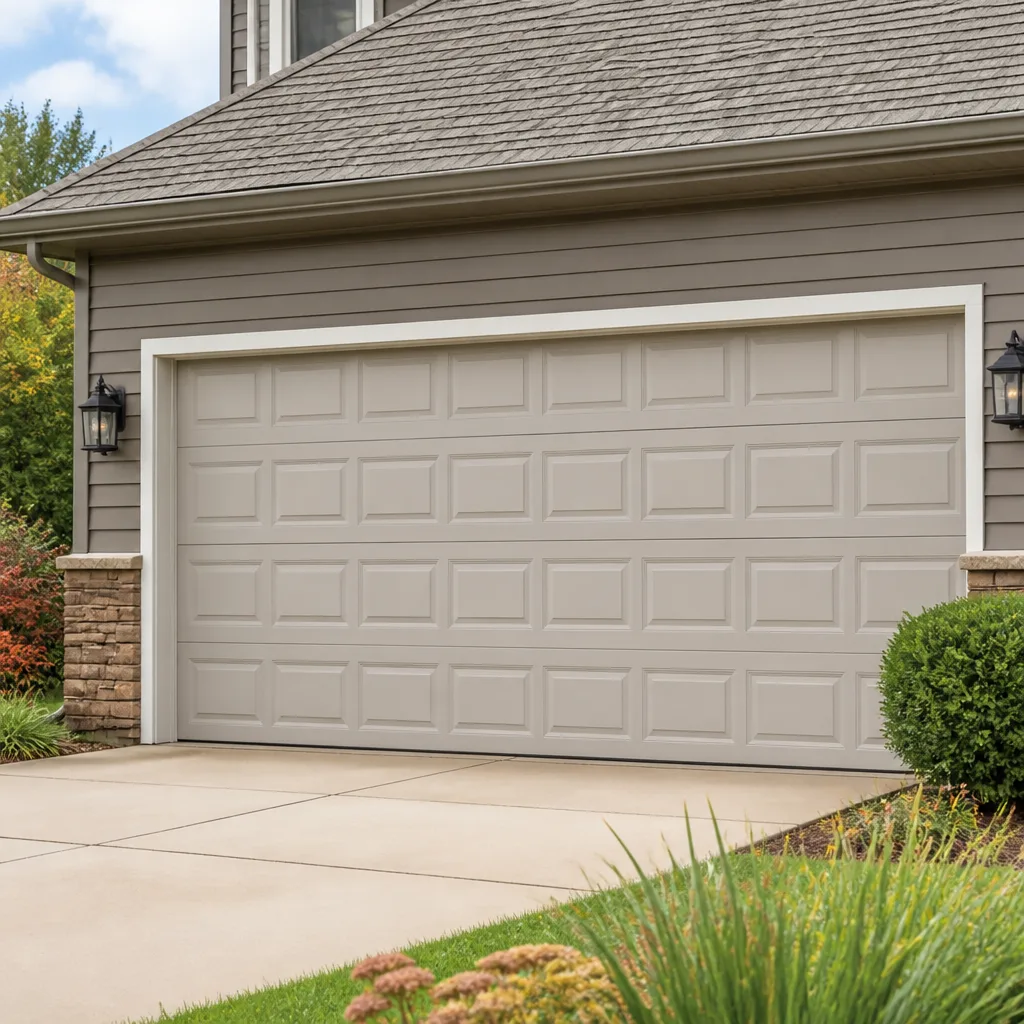 Raised-panel steel
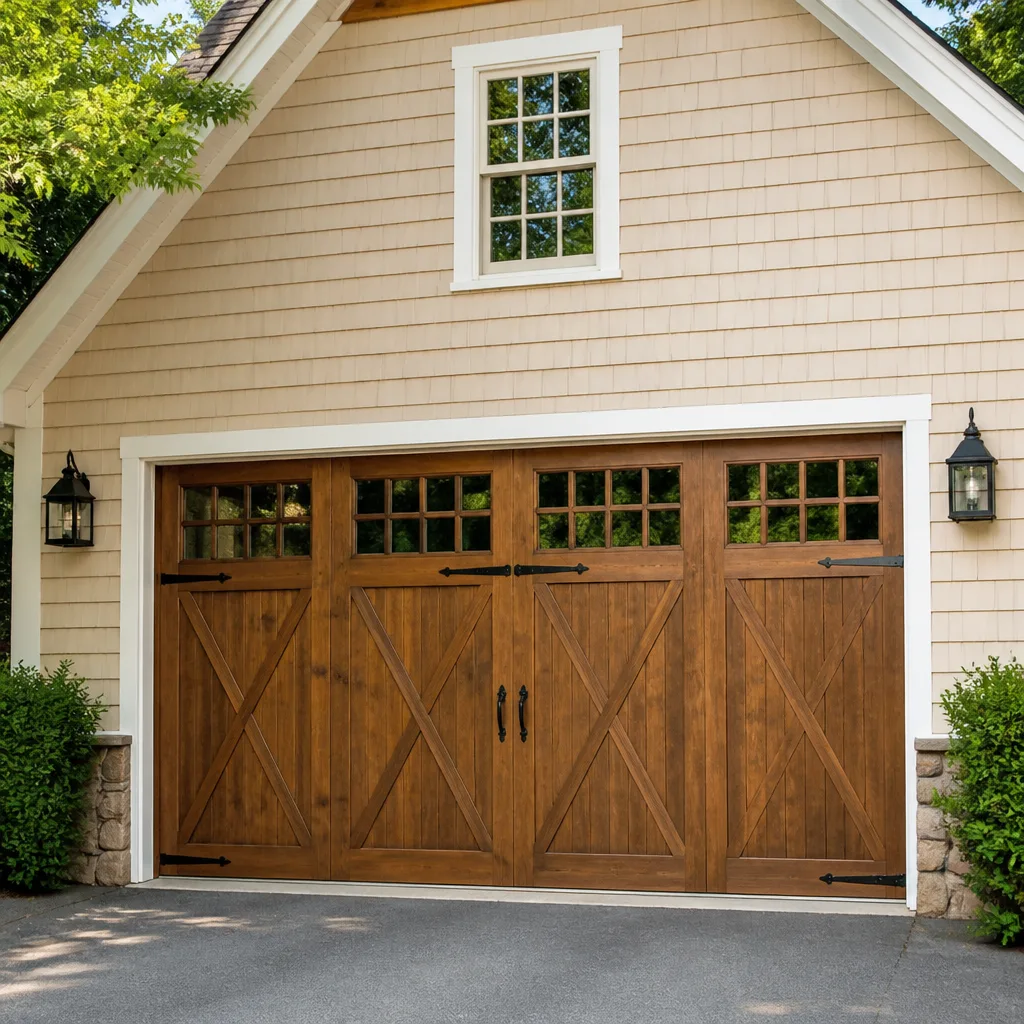 Carriage house
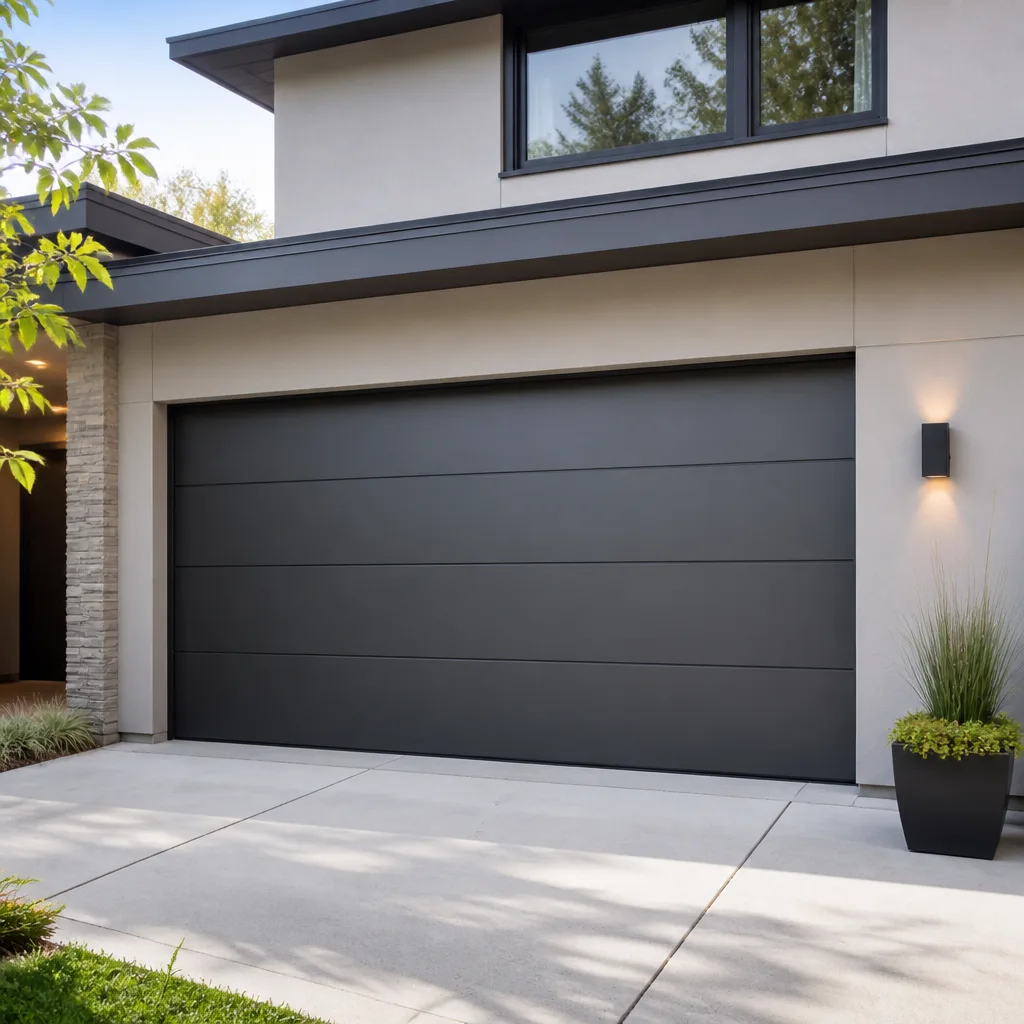 Modern flush
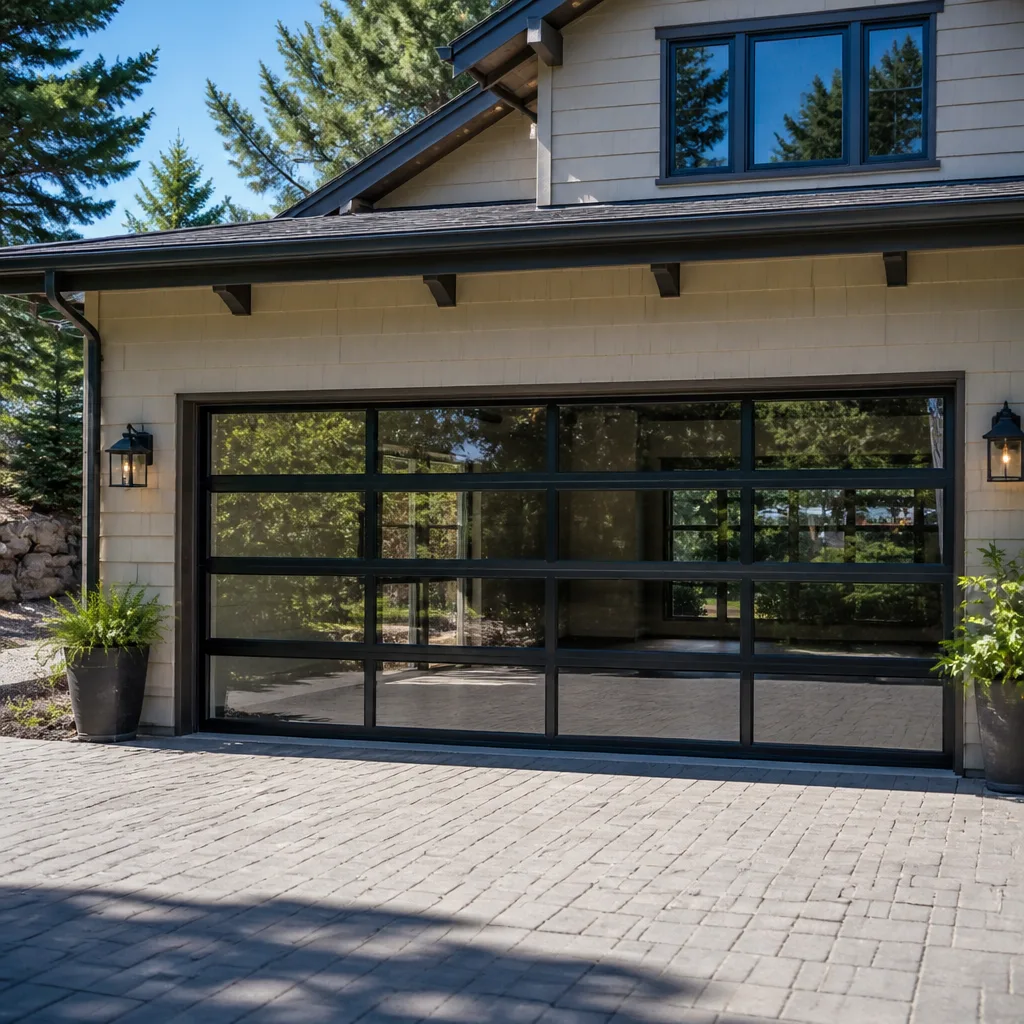 Full-view glass
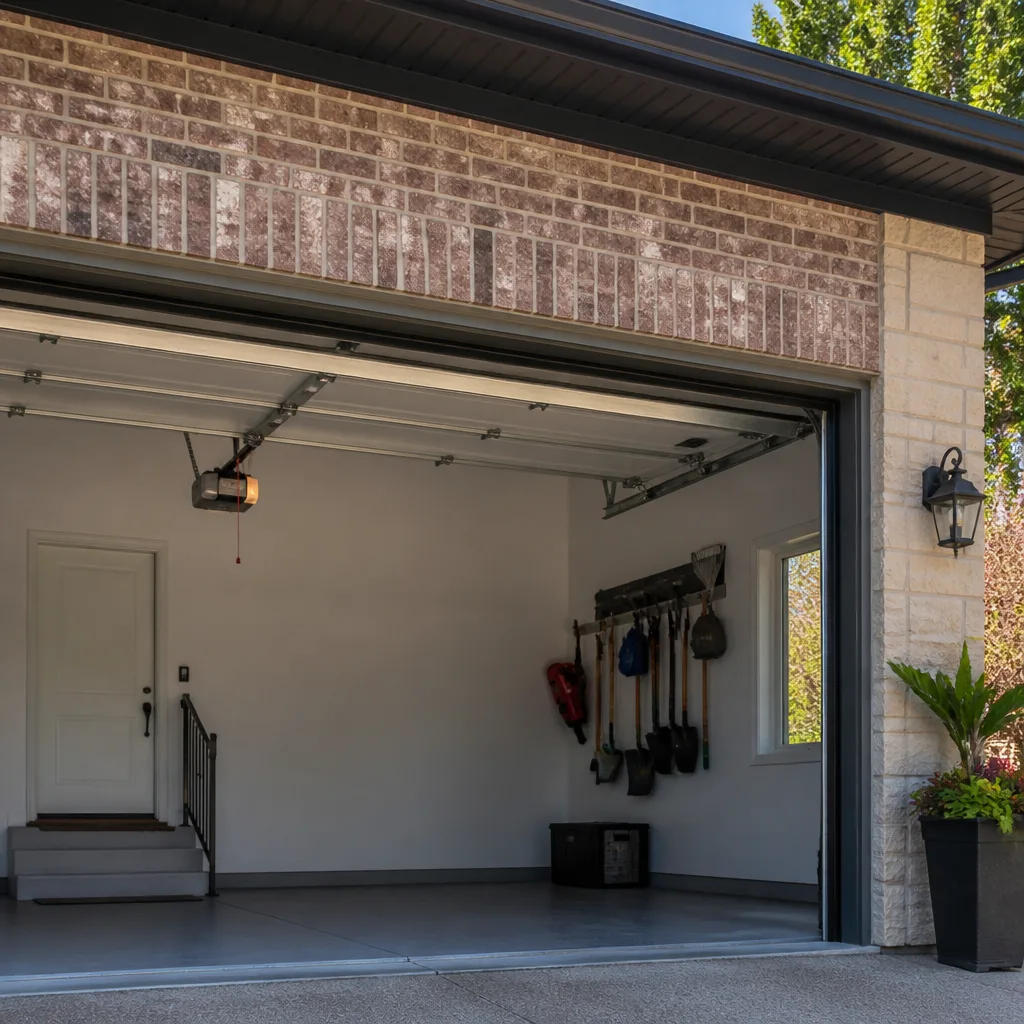 LiftMaster openers
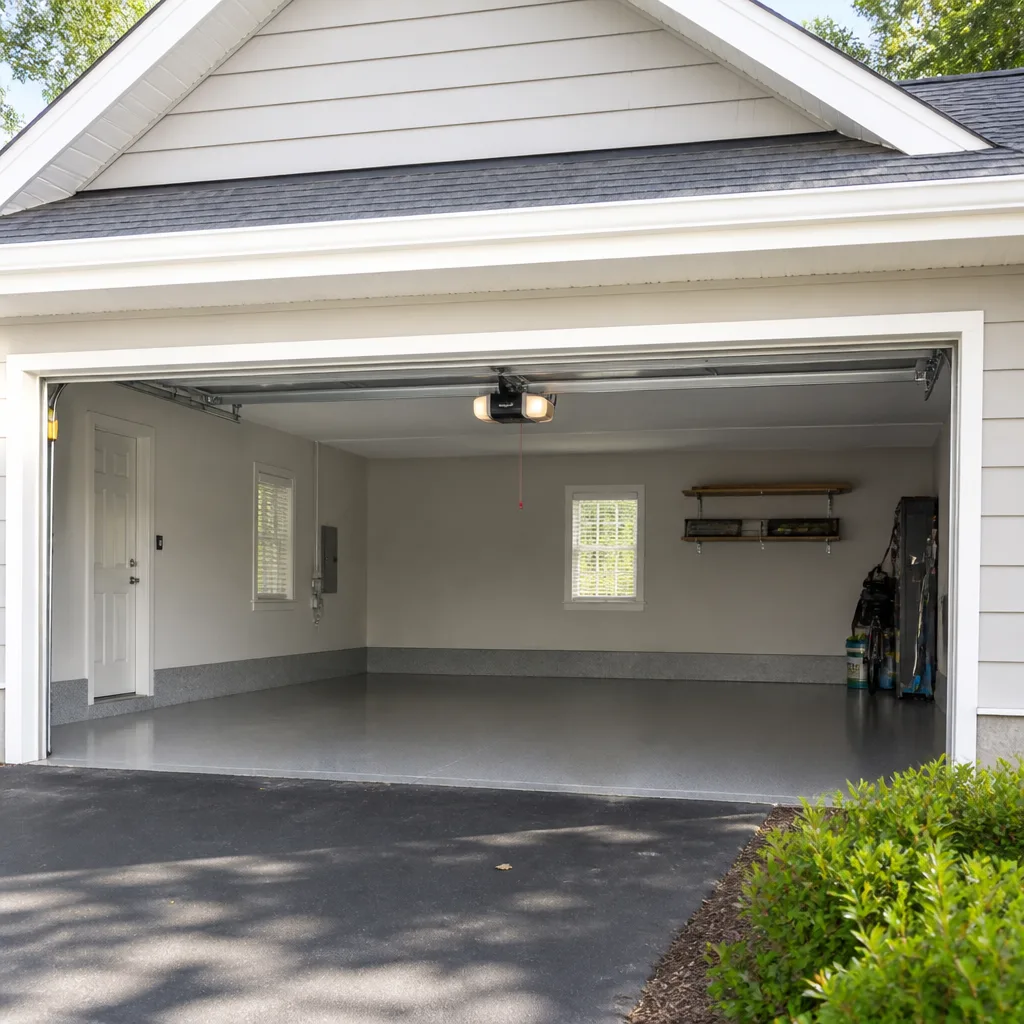 Chamberlain openers
Full 25-point door and opener safety check with every visit - springs, cables, rollers, tracks, and your LiftMaster or Chamberlain opener included
You get a price before we start. It does not change when the pro arrives.
Get your free estimateSeasonal Garage Door Care for Providence: Year-Round Homeowner’s Guide
Everyone treats garage door maintenance as a spring cleaning chore, which is exactly backwards for a city with four hard seasons. In Providence, the work that saves you the most money happens in October, before the first hard frost, not in April. October is the most important month for your garage door here, and almost nobody does the one thing that prevents the majority of winter service calls: a bottom-seal and spring-tension check before temperatures drop. In this Providence guide, we’ll walk through what each season actually does to your door and hardware, the specific checks worth doing when, and the points where a trained technician should take over.
Quick Answer
In Providence, garage doors need their heaviest attention in fall (seal, weatherstripping, and spring tension before first frost), careful handling in winter (never force a door frozen to the ground), a damage inspection in early spring (cracked panels, rusty hardware, warped tracks), and humidity management in summer for older wood doors. Skipping the October check is the single biggest reason homeowners end up with a spring repair call in January. Most of this is basic inspection and cleaning; anything involving springs, cables, or opener wiring belongs with a trained technician.
Styles & brands we work with
- Raised-panel steel
- Carriage house
- Modern flush
- Full-view glass
- LiftMaster openers
- Chamberlain openers
Table of Contents
- Fall: The Pre-Winter Prep That Actually Matters
- Winter: What to Do When Your Door Freezes Shut
- Spring: Catching Winter Damage Before It Compounds
- Summer: Managing Humidity in Older Wood Doors
- The Fall Task Providence Homeowners Skip
- A Month-by-Month Maintenance Calendar
- Common Mistakes to Avoid
- When to Call a Professional
Fall: The Pre-Winter Prep That Actually Matters
Fall in Providence is short and unforgiving. One week it’s mild, the next there’s frost on the driveway, and the door that ran fine all summer is suddenly fighting the floor. The prep you do in October decides how the door behaves in January. This is the season to look at the parts that touch cold, moisture, and the ground.
The bottom seal is the first thing to check. That rubber strip along the bottom of the door is what keeps cold air, snowmelt, and small pests out, and it’s also what determines whether the door can release cleanly from a frozen floor. Run your hand along it with the door closed. If it’s cracked, brittle, flattened, or visibly separated from the panel, replace it before the first hard freeze. A seal that’s already failing won’t survive ice.
Weatherstripping around the sides and top deserves the same look. Gaps that let in summer air become gaps that let in winter drafts and, worse, let melting snow drip onto the door’s track and hardware where it refreezes overnight.
Then there’s the check almost nobody thinks to do: spring tension. A torsion spring that’s lost some of its lift over the summer works fine in warm weather and strains hard in the cold. You don’t need to adjust anything yourself (and you shouldn’t), but you can listen. If the door has gotten noticeably heavier to lift manually, or if the opener sounds like it’s working harder than it used to, that’s your signal to have it looked at before winter load hits.
Finally, clear the track. Fallen leaves, grit, and the small debris that blows in during fall collect in the track channels and mix with moisture into a paste that drags on the rollers. Wipe the tracks down with a damp cloth and dry them. Don’t lubricate the tracks themselves; the rollers and hinges are where lubricant belongs.
Winter: What to Do When Your Door Freezes Shut
This is the winter failure we hear about most in Providence. Snow melts during the day, runs under the door, and refreezes overnight, bonding the bottom seal to the concrete. The next morning the opener pulls, the door doesn’t move, and something gives. Usually it’s the bottom section, the opener’s gear, or both.
Here’s what to do, and what absolutely not to do:
- Don’t force it. If you press the opener and the door strains without lifting, stop. Repeatedly cycling a frozen door is how bottom panels crack and opener gears strip.
- Break the ice bond gently. Use a plastic scraper or a broom handle to work along the bottom edge where the seal meets the floor. Never use a metal shovel or pry bar against the door or seal, and never pour hot water on the door; the thermal shock can crack panels and warp seals.
- Clear the snow and ice from the apron. The concrete strip in front of the door should be clear so meltwater has somewhere to go other than under the seal.
- Test the door by hand first. Once the bond is broken, disengage the opener (pull the release cord) and lift the door manually a few inches to confirm it moves freely before re-engaging.
If the door won’t release even after you’ve cleared the ice, or if you hear a bang from the spring area, stop and call a technician. A spring that’s failed in cold weather is a genuine safety hazard, and it’s not something to diagnose with the door under tension. It’s also worth knowing that cold makes every component less forgiving: metal contracts, lubricant thickens, and rubber stiffens. A door that was marginal in October is a door that fails in February. If your door won’t close at all, that’s a security problem too, and it’s exactly the kind of call our garage door repair service handles.
Spring: Catching Winter Damage Before It Compounds
Spring in Providence is when the damage from winter becomes visible. The freeze-thaw cycle that ran from December through March leaves its marks, and the earlier you catch them, the cheaper they are to fix. This is the season for a real inspection, not a glance.
Work through these in order:
- Panels. Look for hairline cracks, especially along the bottom section and around the hinges. Freeze-thaw and ice expansion stress the panels, and a hairline crack in March becomes a full split by summer.
- Hardware and rollers. Rust is the giveaway here. Corroded hinges, stiff rollers, and rusted track sections all drag on the door, which puts extra load on the opener and springs.
- Tracks. Ice expansion can push a track slightly out of alignment. Stand inside the garage and look down the length of each track; it should be straight. A track that’s bowed or twisted will make the door bind and can wear the rollers unevenly.
- The bottom seal again. Winter is hard on it. If it survived the cold but is now cracked or torn, replace it before the spring rains get under the door.
- The spring balance test. Disengage the opener, lift the door to about halfway, and let go. A properly balanced door stays put. One that drops or rises on its own is telling you the springs are out of balance.
This is also the season to check that the safety reverse feature still works. Put a small block of wood under the closing door; it should reverse on contact. If it doesn’t, that’s a safety issue worth fixing before anything else. Opener problems that show up in spring often trace back to winter strain, and our garage door opener repair covers everything from a strained gear to a misbehaving safety sensor.
Summer: Managing Humidity in Older Wood Doors
Providence has a lot of older homes, and a good number of them still have wood garage doors. Wood and summer humidity don’t get along. The door absorbs moisture, swells slightly, and suddenly it doesn’t fit the opening the way it did in April. You’ll notice it as a door that drags, sticks, or needs a little extra push to close.
The fix starts with the finish. A well-sealed wood door handles humidity far better than a bare or peeling one. Check the paint or stain each summer and touch up any spots where moisture can get into the grain, especially along the bottom edge and the end grain of panels, which soak up water first.
Lubrication matters in summer too, just for a different reason. Heat and humidity can make some lubricants run or attract grit. Wipe down the hinges, rollers, and the torsion bar’s bearing plates and reapply a garage-door-appropriate lubricant. Avoid heavy grease, which collects dust and grit in humid weather.
Watch the gap at the bottom of the door. A wood door that swells in July can sit differently against the seal than it does in January. If the door is dragging on the seal in summer, the seal may be too compressed or the door itself needs adjustment. That’s an adjustment job, not a replacement job, which is why we diagnose before recommending anything. Older doors from brands like Wayne Dalton or Raynor are common in Providence homes, and they’re very often repairable rather than due for replacement. If you’re genuinely weighing a new door, our garage door installation page covers what that involves.
The Fall Task Providence Homeowners Skip (and Why It Costs Them)
The one task Providence homeowners consistently skip in fall is the pre-winter balance and tension check. It’s easy to see why. The door opens, the door closes, nothing looks wrong, and the driveway needs raking. But a spring that’s at the end of its working life doesn’t announce itself. It keeps working through the mild fall, then fails when it gets cold and the door is heaviest to lift.
This is the task that, in our experience, prevents the most spring repair calls each winter. The logic is simple. Cold weather increases the load on a door’s springs, the door itself gets harder to move, and the opener works harder. If the springs were already near the end of their cycle life, winter is when they go. A tension check in October catches the spring that’s about to fail and gets it replaced on a planned basis, instead of on a morning when your car is trapped inside.
There’s a second part to this that people skip: testing the door with the opener disengaged. That’s the only way to feel how heavy the door actually is. With the opener engaged, it masks a weakening spring entirely. Spend two minutes with the door on manual, and you’ll know more about its health than a month of pressing the remote.
Important safety note: checking tension means feeling how the door moves by hand. Adjusting or replacing a torsion spring is a different matter entirely. Those springs are under heavy tension, and a mistake can cause serious injury. Leave spring adjustment and replacement to a trained technician. We specialize in spring repair precisely because it’s one of the most demanding jobs in this trade.
A Month-by-Month Maintenance Calendar for Providence
Here’s how the year breaks down for a Providence garage door. You don’t need to do everything every month; the point is knowing what to look at when.
- September: Clean the tracks, vacuum out fall debris, and test the door on manual to feel its weight.
- October: Replace the bottom seal if it’s worn, check the weatherstripping, and have spring tension checked before first frost. This is the month that matters most.
- November: Clear the apron in front of the door, re-lubricate hinges and rollers for the cold months, and make sure nothing is stored against the tracks.
- December through February: Watch for ice bonding at the bottom. Never force a frozen door. Test the safety reverse monthly.
- March: Full inspection for winter damage: panels, hardware, tracks, and the bottom seal.
- April: Address any winter damage before it compounds. Re-lubricate and re-test the balance.
- May through August: Manage humidity for wood doors, keep the finish sealed, and re-lubricate as needed.
If you only remember one item on this calendar, remember October. Everything else is maintenance; October is prevention.
What Each Season Does to Your Door: A Quick Reference
It helps to know what’s actually happening to the hardware, because then the maintenance makes sense instead of feeling like a checklist someone handed you.
- Fall brings temperature swings. Metal expands and contracts, rubber hardens, and the door starts working a little harder each week without any visible change.
- Winter brings the freeze-thaw cycle. Moisture gets into the smallest gaps, freezes, expands, and pushes things apart. Ice bonds the door to the floor, and cold thickens lubricant and stiffens every moving part.
- Spring reveals what winter did. Cracks, rust, and misalignment all become visible once the freeze stops.
- Summer brings humidity. Wood swells, some lubricants thin and run, and grit collects in tracks faster than in the dry months.
Each season is its own maintenance window, with its own failure modes. Treating the year as one long “check the door occasionally” habit is how people miss the October check that matters most.
See the difference
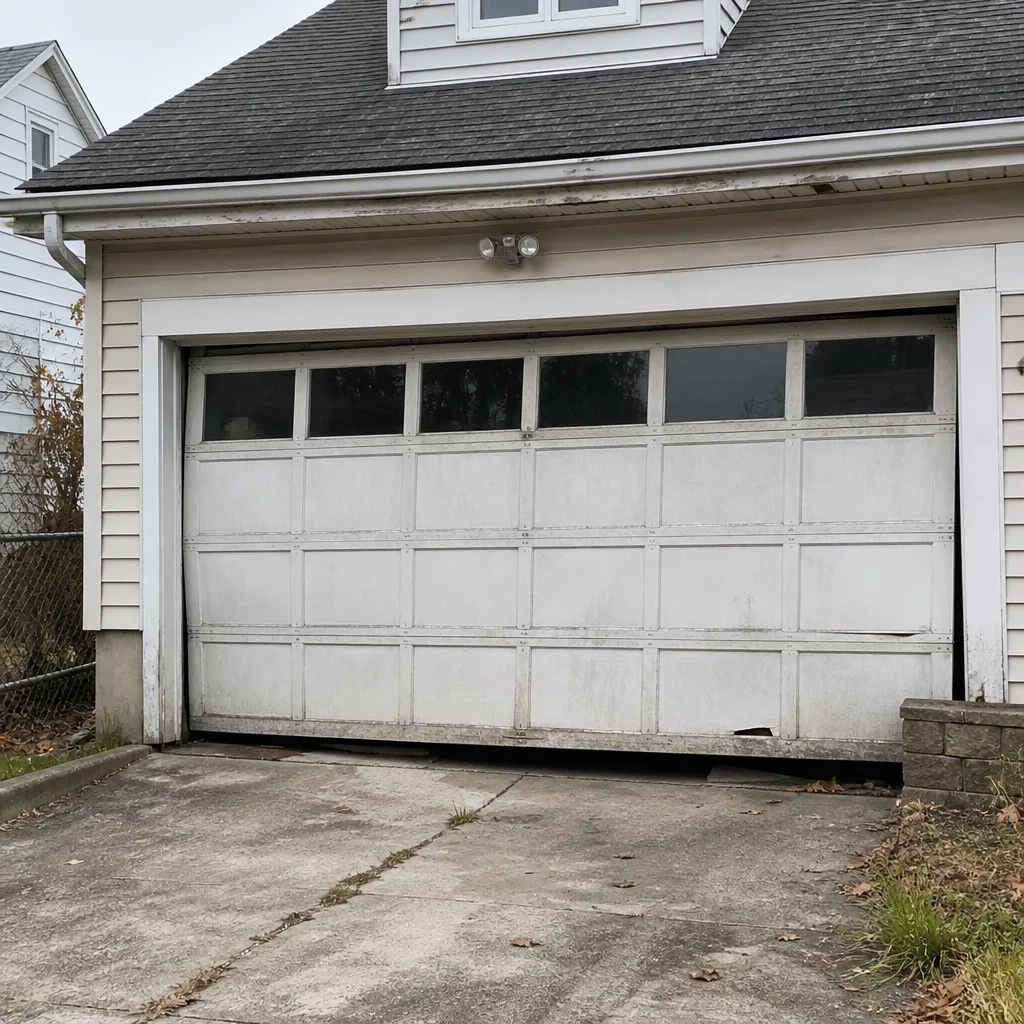 Before
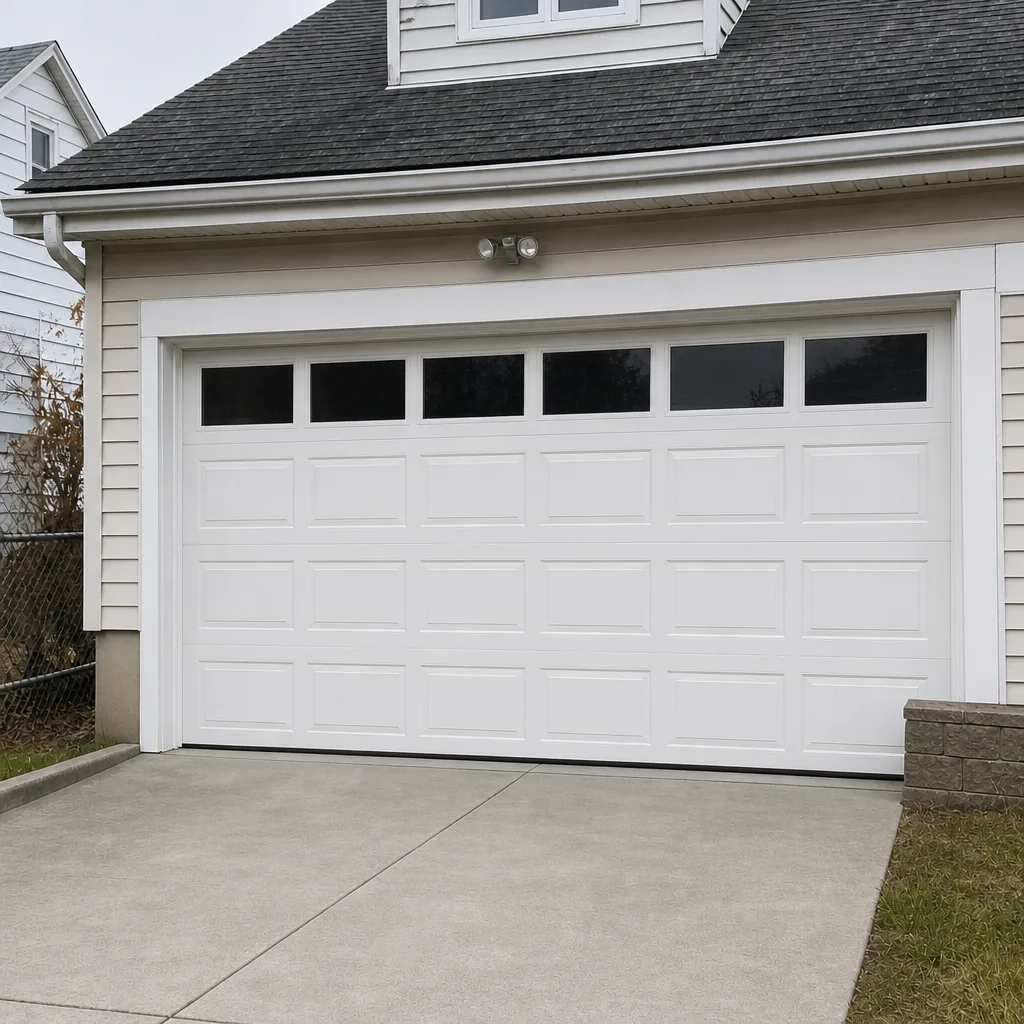 After
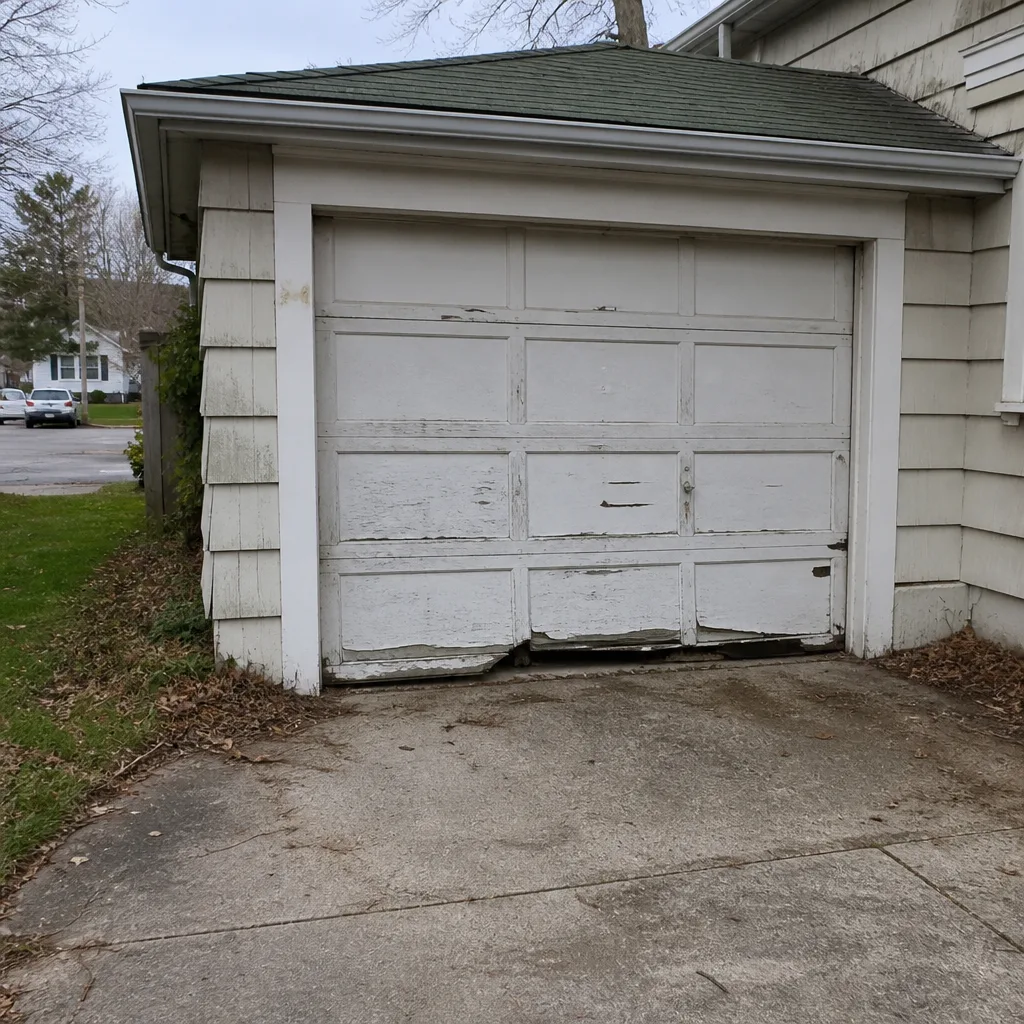 Before
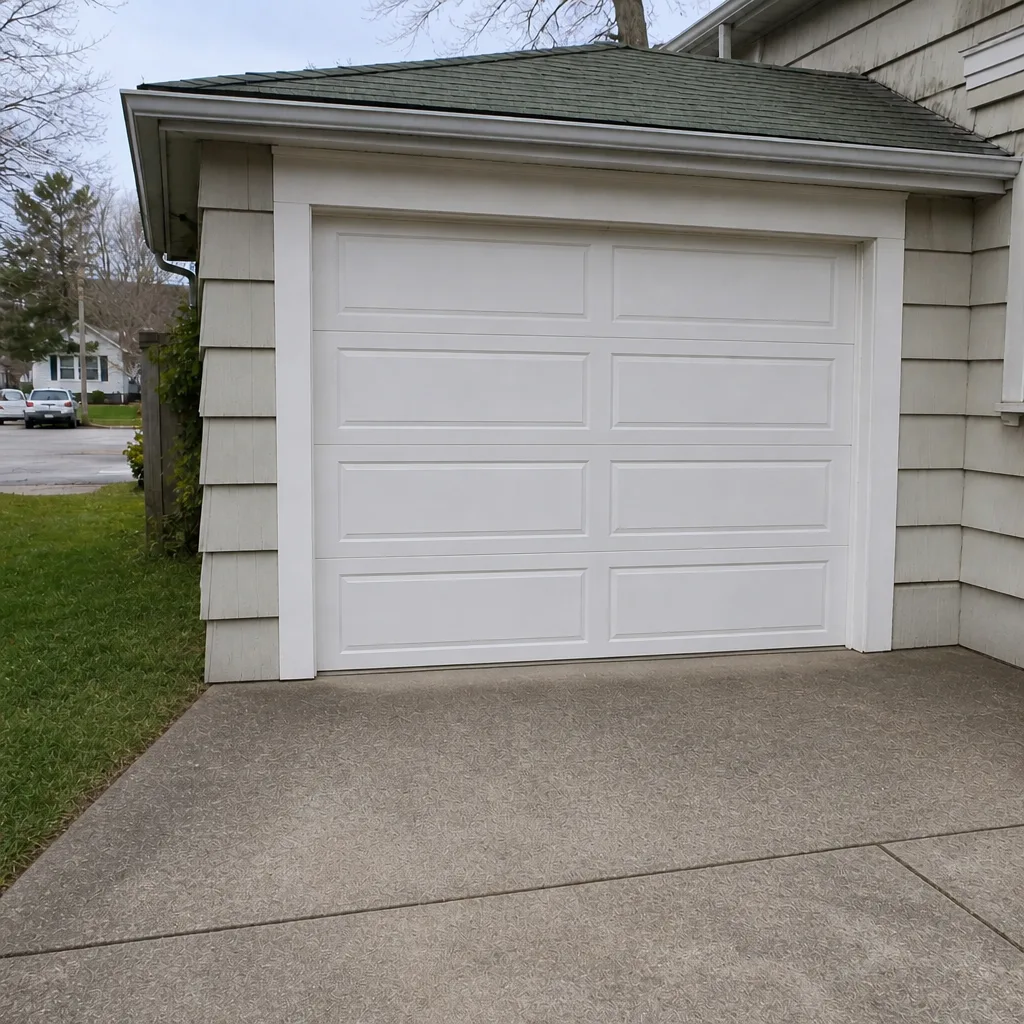 After
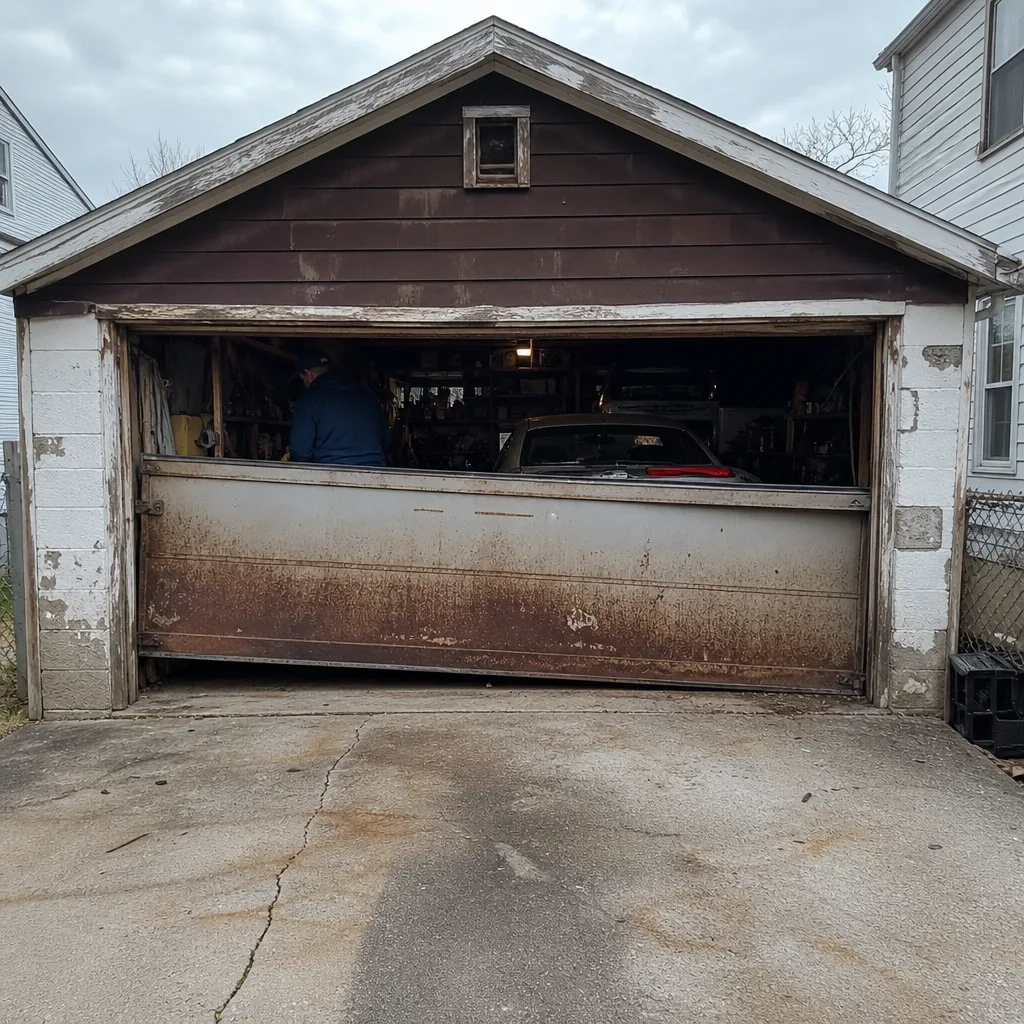 Before
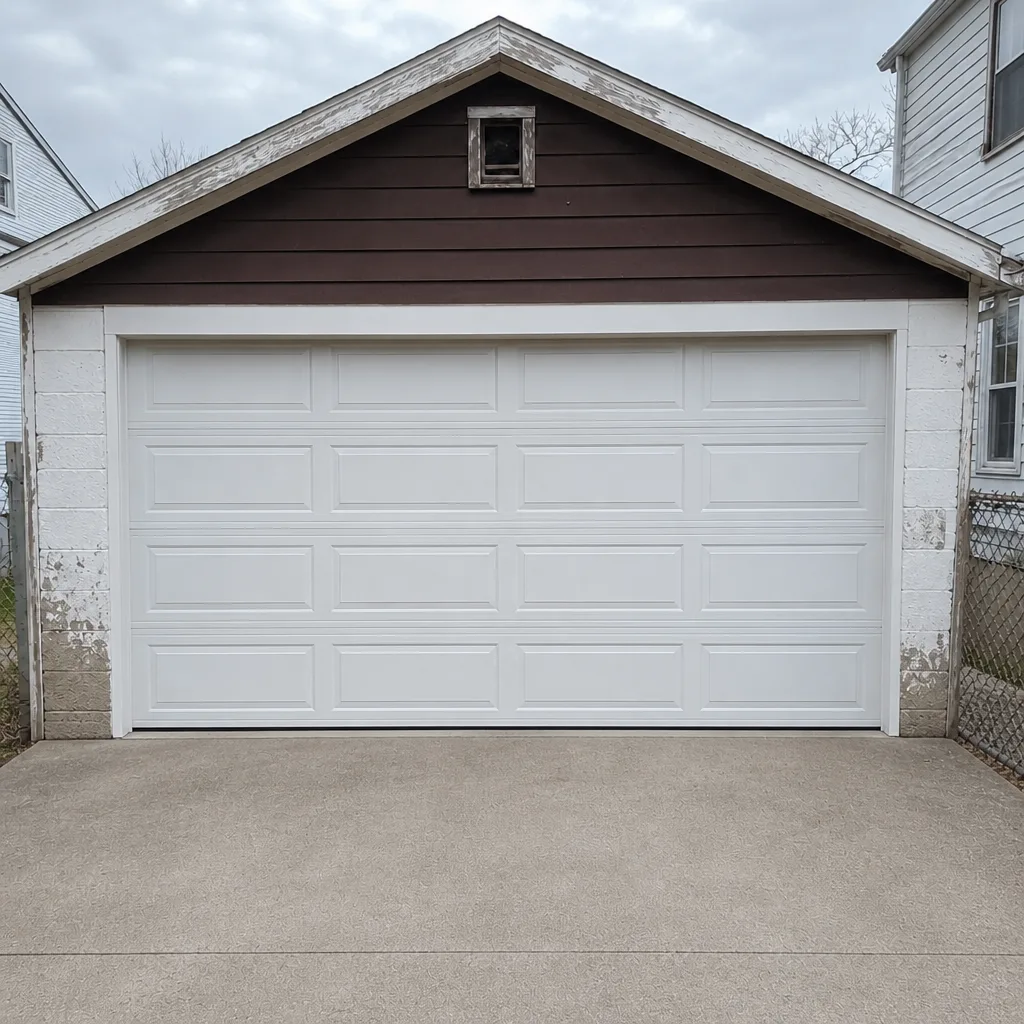 After
Common Mistakes to Avoid
- Forcing a frozen door. Every winter, homeowners burn out openers and crack bottom sections by repeatedly pressing the button on a door that’s bonded to the floor. Break the ice bond first, every time.
- Ignoring the bottom seal until winter. A worn seal is cheap to replace in October and expensive to deal with in January, when it’s the thing letting ice form under the door.
- Adjusting or replacing springs yourself. Torsion springs are under heavy tension and can cause serious injury if handled wrong. This is the one job to always leave to a trained technician, and it’s a service we take seriously.
- Skipping the manual balance test. Running the door only with the opener hides a weakening spring until it fails. Test it on manual each season.
- Lubricating the tracks. It feels like it should help, but greasing the tracks attracts grit and makes the door drag worse. Lubricate the rollers, hinges, and bearing plates instead.
- Assuming a sticking summer door means replacement. In Providence’s older homes, a wood door that swells in humidity usually needs a finish touch-up and an adjustment, not a new door.
- Waiting until something breaks. Seasonal checks catch problems when they’re adjustments. Waiting catches them when they’re repairs.
When to Call a Professional
Some jobs are seasonal maintenance you can do yourself. Others need a trained technician, and knowing the difference protects both your door and your safety. Call a professional if:
- The door won’t lift or drops on its own when you test it on manual; that’s a spring or balance issue.
- You’ve heard a loud bang from the spring area, or the door came down hard.
- A spring is visibly broken, or the door is stuck open or open only partway.
- The door is frozen shut and won’t release even after you’ve cleared the ice.
- The safety reverse feature doesn’t work when you test it with a block of wood.
- Tracks are bent, panels are cracked, or hardware is heavily rusted after winter.
Garage Door Repair Providence Pros offers free estimates in Providence; call (877) 792-6062. We service every major brand, so we work with whatever is already in your garage, and we diagnose and fix what you have rather than steering you toward a replacement you don’t need. Our technicians have up to 10 years of experience. You’ll get a written price agreed before any work starts.
Frequently Asked Questions
Twice a year is right for most Providence homes: a thorough check in October before winter and another in March after it. Between those, a monthly visual inspection and a safety-reverse test take a few minutes and catch most problems early.
Snowmelt runs under the door and refreezes overnight, bonding the bottom seal to the concrete. Clear the apron in front of the door, keep the bottom seal in good shape, and never force the door open when it’s bonded.
Yes. Torsion springs are under heavy tension, and a mistake can cause serious injury. Spring replacement is a job for a trained technician, and we specialize in it for exactly that reason.
Usually not. In Providence’s older homes, wood doors commonly swell in summer humidity and drag on the seal. A finish touch-up and an adjustment usually solve it; a replacement is rarely the answer.
Yes. We service LiftMaster, Chamberlain, Genie, Clopay, Amarr, Wayne Dalton, Craftsman, and Raynor equipment, so we work on whatever is in your garage rather than steering you toward one brand.
Yes. Emergency service is a core part of what we do, not an afterthought. Call (877) 792-6062 and we’ll help you get the door secured or back in service. Estimates are free.
The Bottom Line
Providence gives your garage door four genuinely different seasons of stress, and the maintenance that matters is tied to each one. Fall is the season that saves you money: replace the worn bottom seal, check the weatherstripping, clean the tracks, and have the spring tension checked before first frost. Winter is about not forcing a frozen door. Spring is about catching winter damage early. Summer is about managing humidity in older wood doors. Do the October check and you’ll prevent the call you don’t want in January. Reach out to Garage Door Repair Providence Pros whenever something needs a trained eye.
Written by the team at Garage Door Repair Providence Pros.